
We advance projects that prototype locally productive and regenerative futures.
Make-a-thek explores how local libraries and community spaces can evolve into production and knowledge hubs. It integrates digital fabrication, open education, and community-driven experimentation within accessible public infrastructure. For Fab City, it reinforces the idea that distributed production must be socially embedded and publicly accessible.
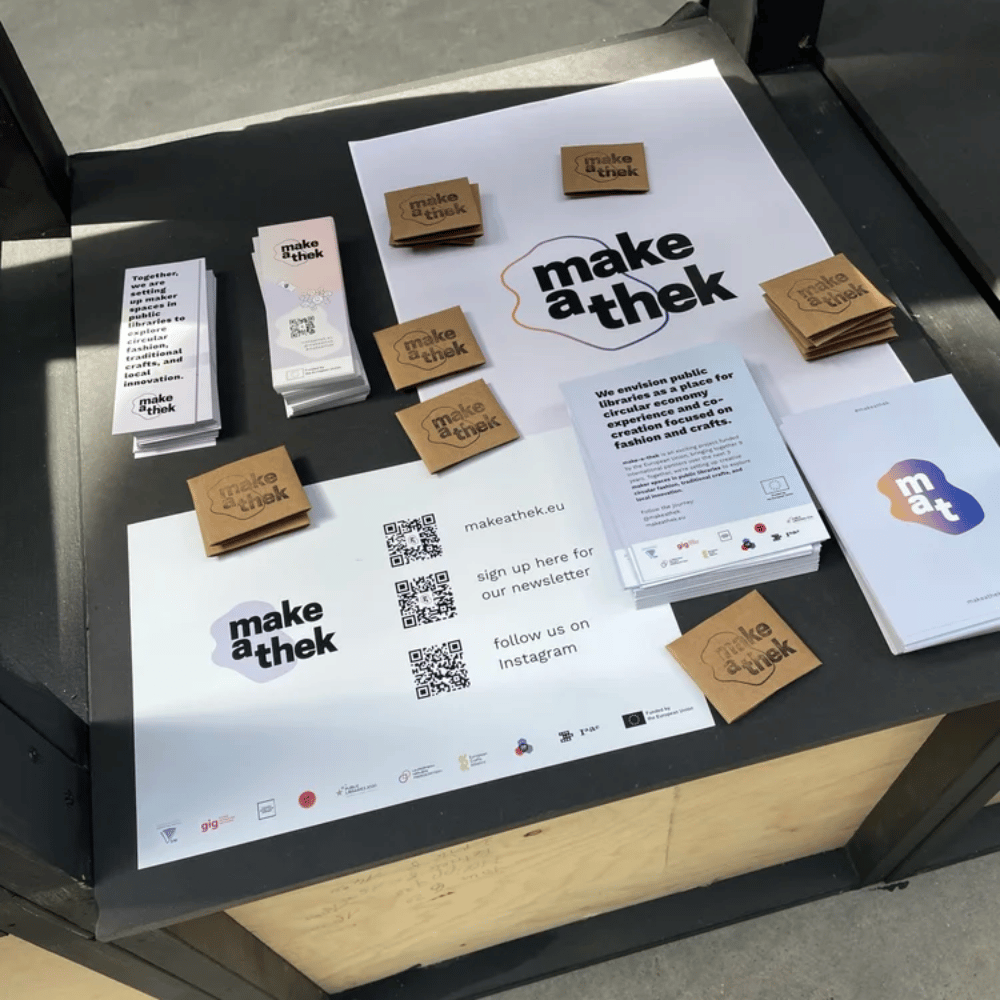
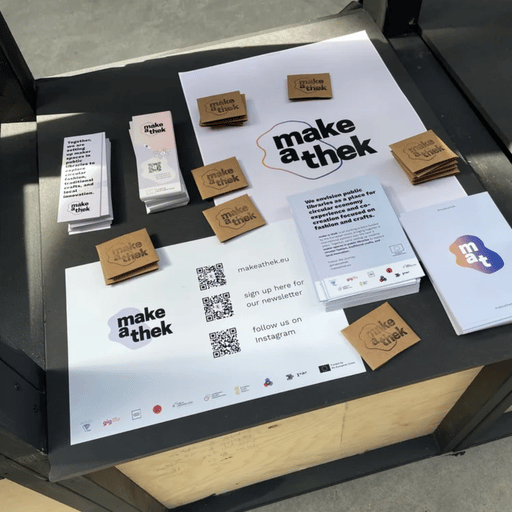
Make-a-thek explores how local libraries and community spaces can evolve into production and knowledge hubs. It integrates digital fabrication, open education, and community-driven experimentation within accessible public infrastructure. For Fab City, it reinforces the idea that distributed production must be socially embedded and publicly accessible.
PENCE works at the intersection of circular economy, policy, and citizen empowerment. The project develops participatory processes that allow communities and professionals to engage directly in circular transition strategies. Within Fab City, this reinforces the shift from top-down sustainability plans toward locally embedded, co-designed transformation pathways.
GreenInCities brings together cities, researchers, and local actors to rethink how nature-based solutions are designed and implemented in urban environments. The project focuses on co-creation processes that connect ecological regeneration with local production, community engagement, and long-term resilience. For Fab City, this sits directly within the ambition to strengthen bioregional systems and reconnect cities with their ecological context.
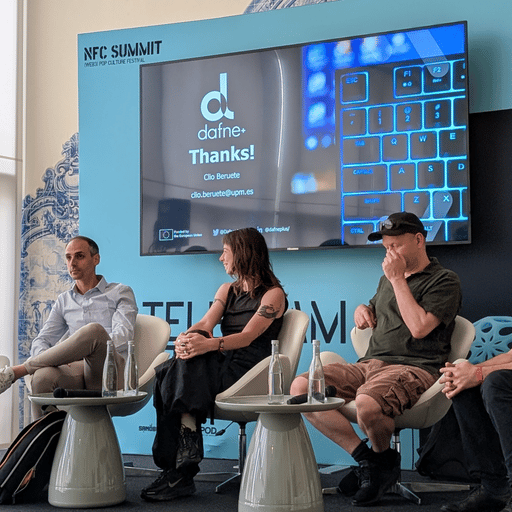
DAFNE+ explores digital infrastructures for collective governance and value distribution in the cultural and creative sectors. It develops blockchain-based tools that enable creators to manage rights, revenues, and collaboration in more transparent ways. Within Fab City, it connects digital ecosystems with distributed production and collective ownership models.
mAkE connects African and European innovation hubs to strengthen distributed manufacturing ecosystems. It positions makerspaces and Digital Innovation Hubs as strategic infrastructure for local production, skills development, and economic resilience. This directly reinforces Fab City’s commitment to global knowledge exchange anchored in local capacity.
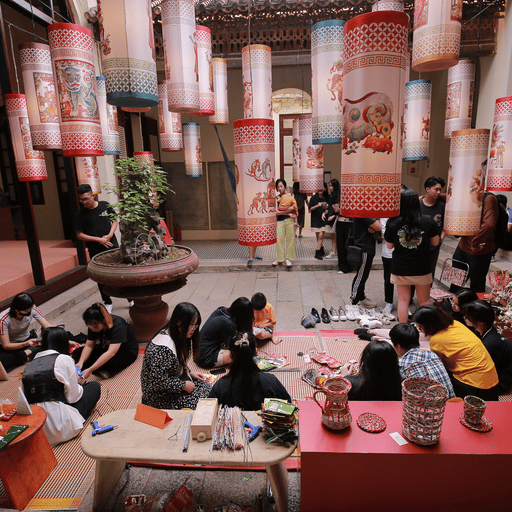
HaNoi Rethink strengthens the creative and fabrication ecosystem in Hanoi by connecting local hubs, designers, and institutions. It activates distributed design practices within the city’s creative industries and links them to global networks. This reinforces Fab City’s commitment to expanding distributed production beyond Europe.
The Distributed Design Platform promotes collaborative, open, and locally grounded design practices across Europe. It connects designers, makers, and institutions working within distributed production models. For Fab City, it strengthens the cultural and creative backbone of local manufacturing ecosystems.
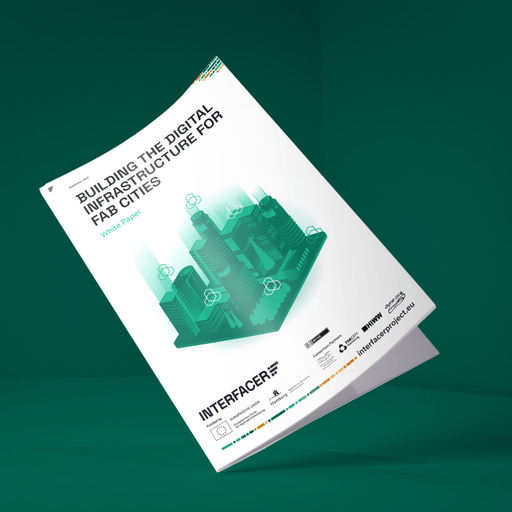
INTERFACER develops open digital infrastructure to support distributed and collaborative production. It connects makers, designers, and local production actors through federated platforms that enable sharing, coordination, and collective value chains. The project aligns directly with Fab City’s mission to couple local production with global knowledge exchange.
CENTRINNO reactivates post-industrial areas by embedding Fab City Hubs within local manufacturing ecosystems. It connects makers, SMEs, municipalities, and cultural actors to rebuild productive capacity at neighborhood scale. The project operationalizes Fab City’s ambition to produce more locally while remaining globally connected.
Fab City regularly collaborates with public and private sectors, academic institutions, and international organizations to accelerate research, innovation programs, and policy-making for sustainable cities.
Redesigning the relationship between production and place
© 2026 FabCity. All rights reserved.