
A collaborative innovation initiative to address social, environmental and economic challenges at a local level.
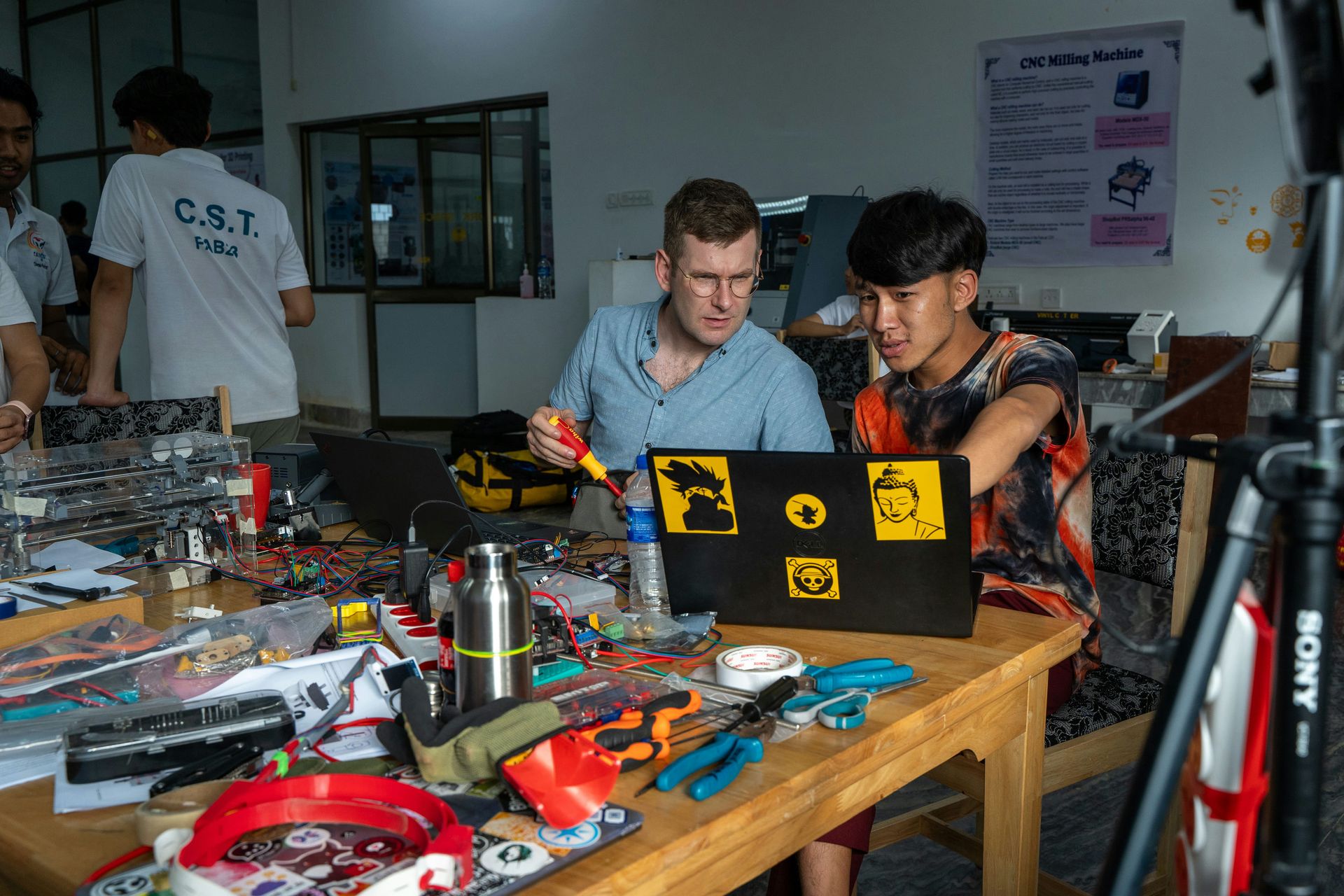
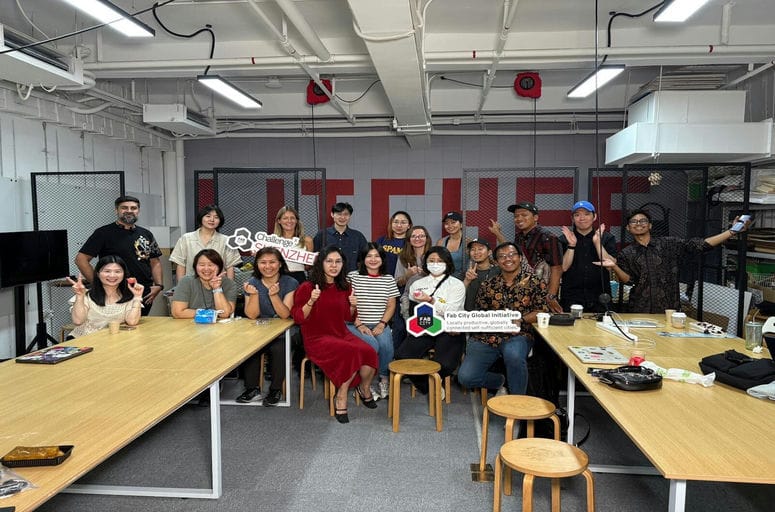
Building on pilots such as Shenzhen, the Fab City Challenge x High School formalizes a distributed learning format tailored for secondary education. It adapts the core Fab City Challenge methodology to younger audiences while maintaining its rigor: real problems, real stakeholders, real prototypes. Fab City Challenge Shenzhen 2024, is an improvisational hackathon designed with Litchee Lab for high school students. Supported and modified from the regular Fab City Challenge, Fab City Challenge Shenzhen 2024 highlights an authentic and unique learning for students to combine emergent technologies and local contexts, exploring their future academic directions. Students work in teams, guided by teachers and local labs, to identify pressing issues within their communities and develop tangible responses using digital fabrication and open knowledge tools. The focus remains on sustainability, inclusion, and regenerative thinking, but framed in ways that resonate with youth realities. This format represents a structural evolution of the program. The Fab CIty Challenge is no longer confined to a single geography or event timeline. It becomes modular, replicable, and embedded across territories. By decentralizing the model, Fab City strengthens its learning ecosystem and expands the pipeline of future innovators who understand production not as extraction, but as stewardship. In this iteration, the Fab City Challenge becomes both a pedagogical tool and a territorial strategy. It cultivates the next generation of citizens capable of reshaping how their communities produce, share, and regenerate resources.
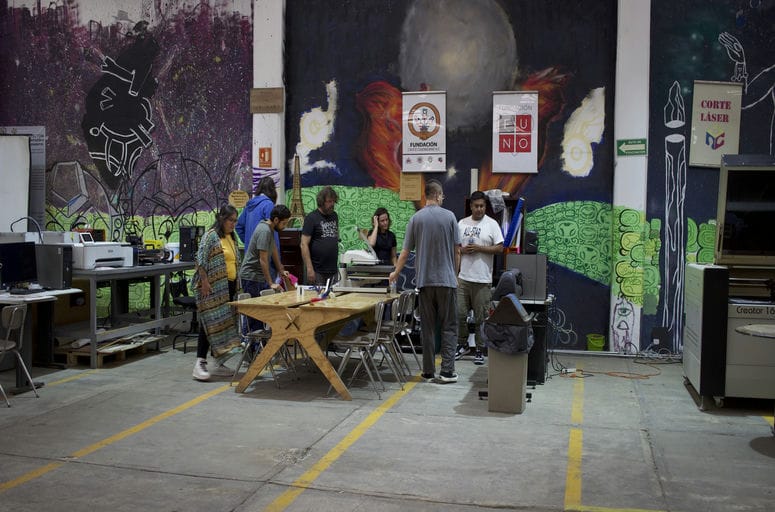
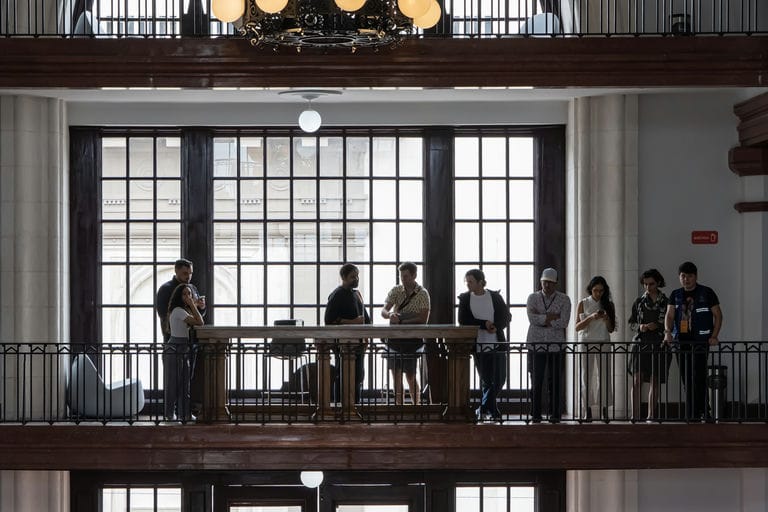
In the lead-up to FAB24, the Fab City Challenge Mexico brought the program into a large national context with systemic complexity. Over 10 days, local and international participants collaborated on issues ranging from biodiverse urbanism and water management to accessible assistive technology, neighborhood regeneration, bio-practices, and social entrepreneurship. Teams were embedded within local organizations, communities, and institutions, ensuring that prototypes were shaped by real constraints and lived realities. The process moved beyond isolated technical fixes and addressed structural questions about production, equity, and urban resilience. The Mexico edition sharpened the Fab City Challenge’s urban dimension. It made clear that distributed production is not only about fabrication technologies, but about governance, neighborhood-scale agency, and social inclusion. Prototypes were shared with wider networks, reinforcing the idea that cities can collectively learn from each other while remaining deeply place-based. In this context, the Fab City Challenge became a mechanism to test how a city can redesign its relationship between production and place, using collaborative prototyping as a bridge between grassroots action and systemic transition.
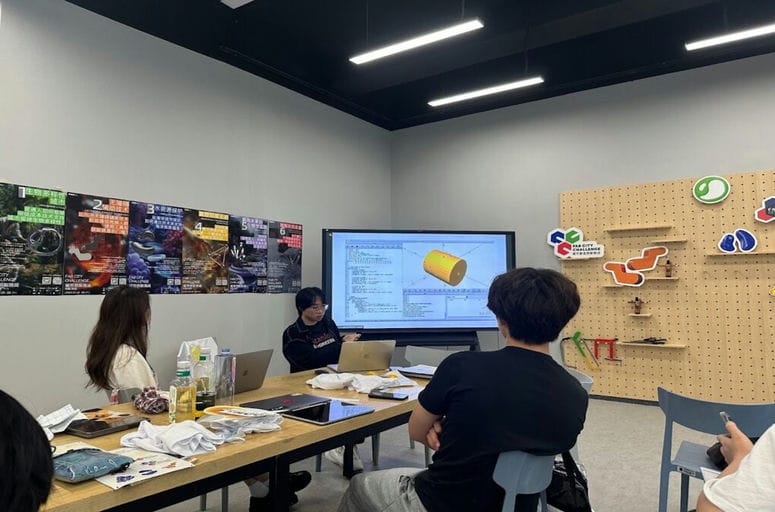
Hosted in Shenzhen, this edition introduced a deliberate shift in format. Instead of focusing solely on adult professionals and makers, the program engaged high school students, placing youth at the center of urban innovation. The Challenge concentrated on accessibility and inclusion, particularly for the visually impaired. Students conducted field research, interviewed stakeholders, and developed tangible solutions including tactile navigation systems, Braille guidance tools for commercial spaces, and awareness campaigns designed to shift public perception. Across participating communities, 34 proposals were developed. More than 200 students and over 30 teachers were directly engaged, spanning Shapu, Nantou, and Chengdu. The final exhibition reached more than 1,000 residents, educators, and city managers, extending the impact beyond the classroom. This edition marks the beginning of a new strategic direction for the Fab City Challenge. Rather than operating only as a flagship event attached to major gatherings, the program is now being embedded into different learning environments globally. By integrating the Challenge into schools and local curricula, Fab City is decentralizing the program and transforming it into a scalable educational methodology. The Shenzhen model shows how the Fab City Challenge can function as applied learning infrastructure. Students do not simulate change. They prototype it. In doing so, they experience firsthand what it means to produce locally, collaborate globally, and intervene in real urban systems.
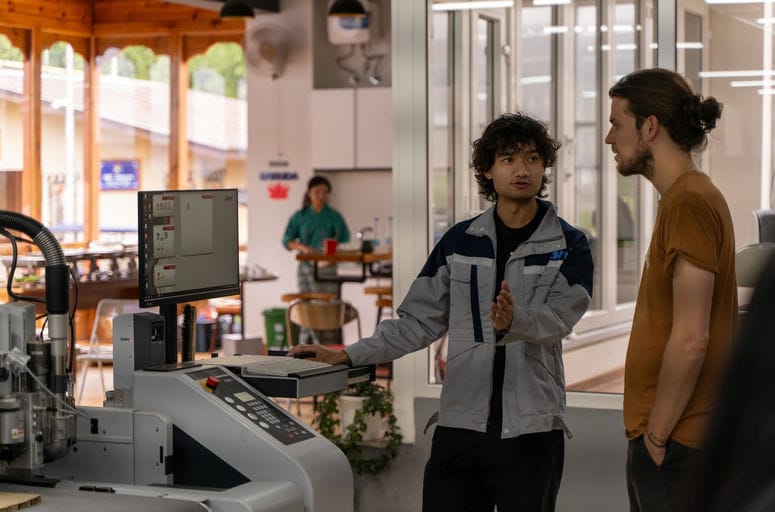
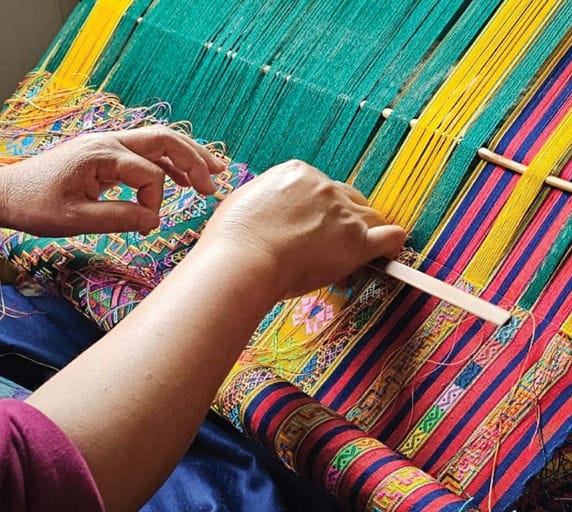
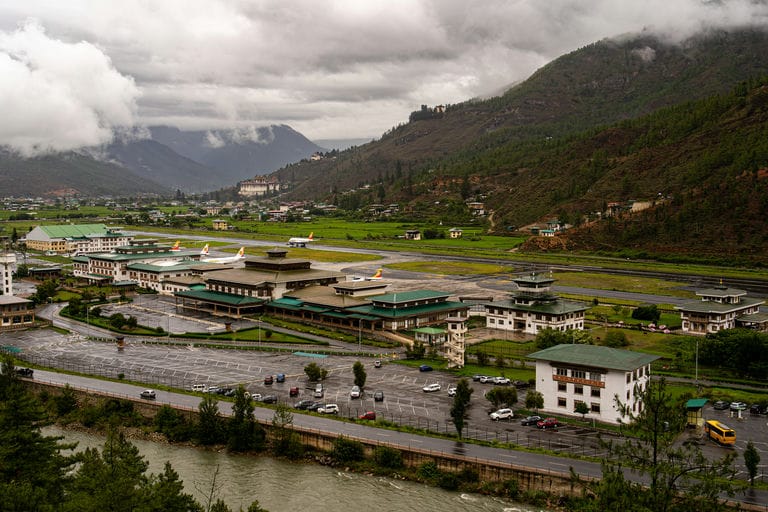
Hosted as part of FAB23, the Fab Bhutan Challenge expanded the model into a distributed, nationally coordinated format. Five Bhutanese Fab Labs worked in parallel with international teams over 12 weeks of preparation, culminating in an in-country prototyping week. Themes emerged directly from local priorities: climate-adaptive agriculture, water stewardship, human-wildlife conflict mitigation, cultural preservation, and assistive technologies. Rather than concentrating activity in one single site, the Fab City Challenge operated as a networked process, strengthening ties between labs, institutions, and communities across the country. The extended preparation period allowed deeper research, stronger local anchoring, and more refined outcomes. Prototypes were grounded in context and designed with implementation in mind. More importantly, the process strengthened Bhutan’s distributed innovation ecosystem, aligning labs, educators, and policymakers around shared challenges. This edition demonstrated that the Fab City Challenge can operate not only as an event, but as a capacity-building mechanism. It reinforced the Fab City principle that resilient territories are built through connected local infrastructures capable of producing, adapting, and sharing knowledge.
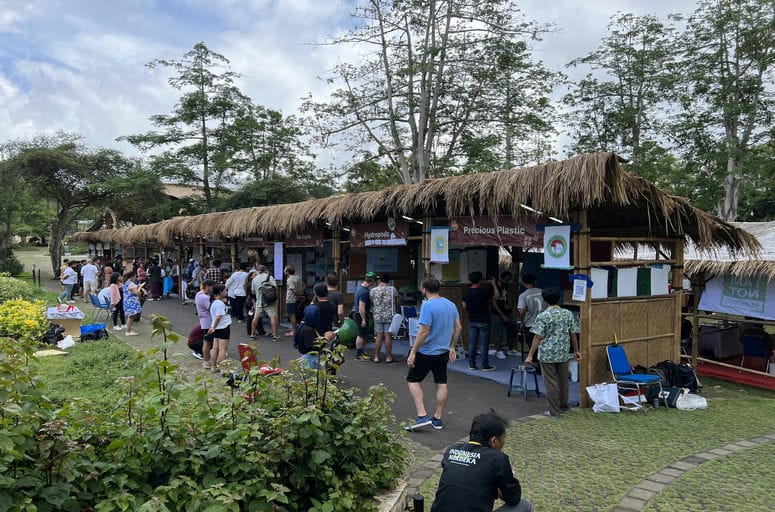
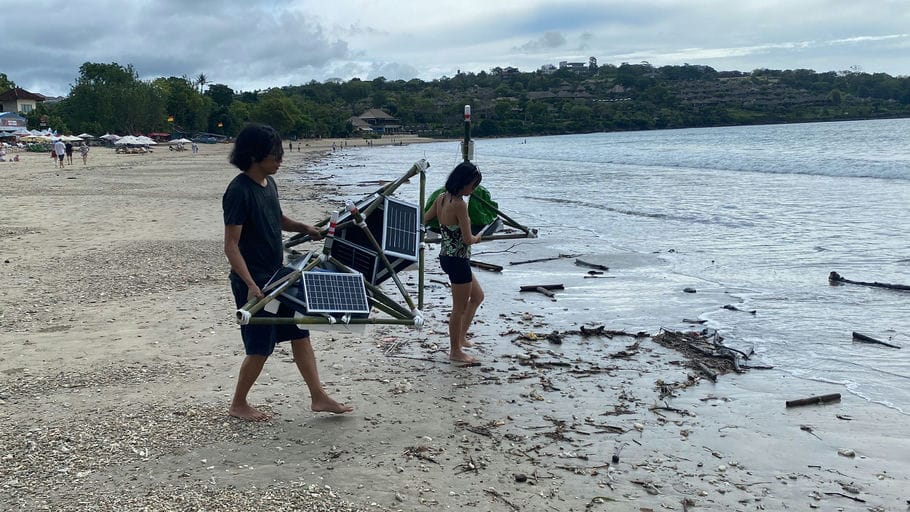
The Fab Island Challenge marked the first full-scale implementation of the program, launched during Bali Fab Fest. Set on an island that embodies both ecological richness and environmental pressure, the Fab City Challenge brought together local actors and international participants for an intensive 10-day co-design and prototyping sprint focused on water conservation, food systems, waste, mobility, education, and sustainable materials. The format was direct and hands-on. Multidisciplinary teams worked alongside community stakeholders, Fab Labs, and local institutions to move from problem framing to physical prototypes in real time. The emphasis was not on speculative ideas, but on interventions that could realistically be tested, funded, and embedded into the local ecosystem. Several teams moved forward toward seed funding and continued development beyond the event. As a first iteration, Fab Island established the core DNA of the Fab City Challenge: local production powered by global knowledge, short supply chains, regenerative thinking, and rapid prototyping as a civic tool. It positioned the Fab City Challenge as a living expression of the our mission to transform territories from passive consumers into active producers of solutions.
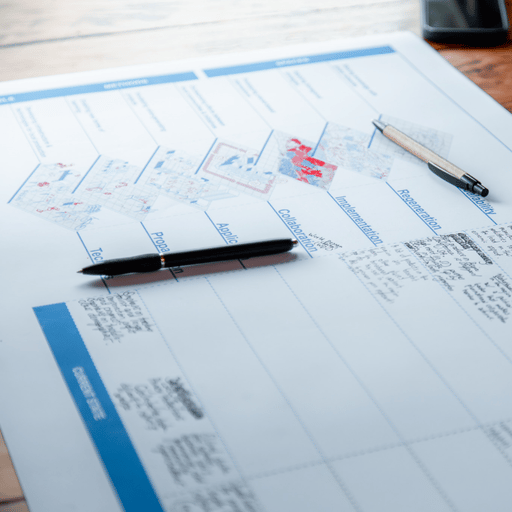
Cities face a common gap: the distance between knowing what needs to change and having the methodology, partners, and process to make it happen. The Fab City Challenge is a place-based program that brings together local communities and international collaborators to work on real territorial challenges — resulting in stronger ecosystems, transferred skills, and prototypes designed to evolve beyond the program itself. A five-stage methodology guides every edition, from challenge definition and community immersion through prototyping, testing, and open knowledge sharing with a global network of cities. The program is available in three formats, from full supported delivery to independent implementation — designed to meet institutions at their level of readiness. In recent years, the Challenge has evolved into a distributed model embedded in new ways of learning across schools, universities, Fab Labs, and civic institutions worldwide. It now operates in multiple formats and geographies while maintaining a shared core methodology. → 20+ cities. 800+ participants. 75+ prototypes. 12 institutions running Challenges independently. Each edition reinforces a simple premise: territories can build the capacity to produce what they need, collaborate across borders, and regenerate their own systems. The Challenge is one of the practical instruments through which Fab City advances that transition. In order to host a Challenge in your territory, get in touch with us at challenge@fab.city
Redesigning the relationship between production and place
© 2026 FabCity. All rights reserved.