
Fab City Awards 2024 shifted the focus from foundations to impact. The edition highlighted implemented projects that translate regenerative principles into practice by restoring ecosystems, applying sustainable technologies, and strengthening social and community dynamics across urban and rural contexts.
19 projects from Africa, Asia, Latin America, North America and Europe
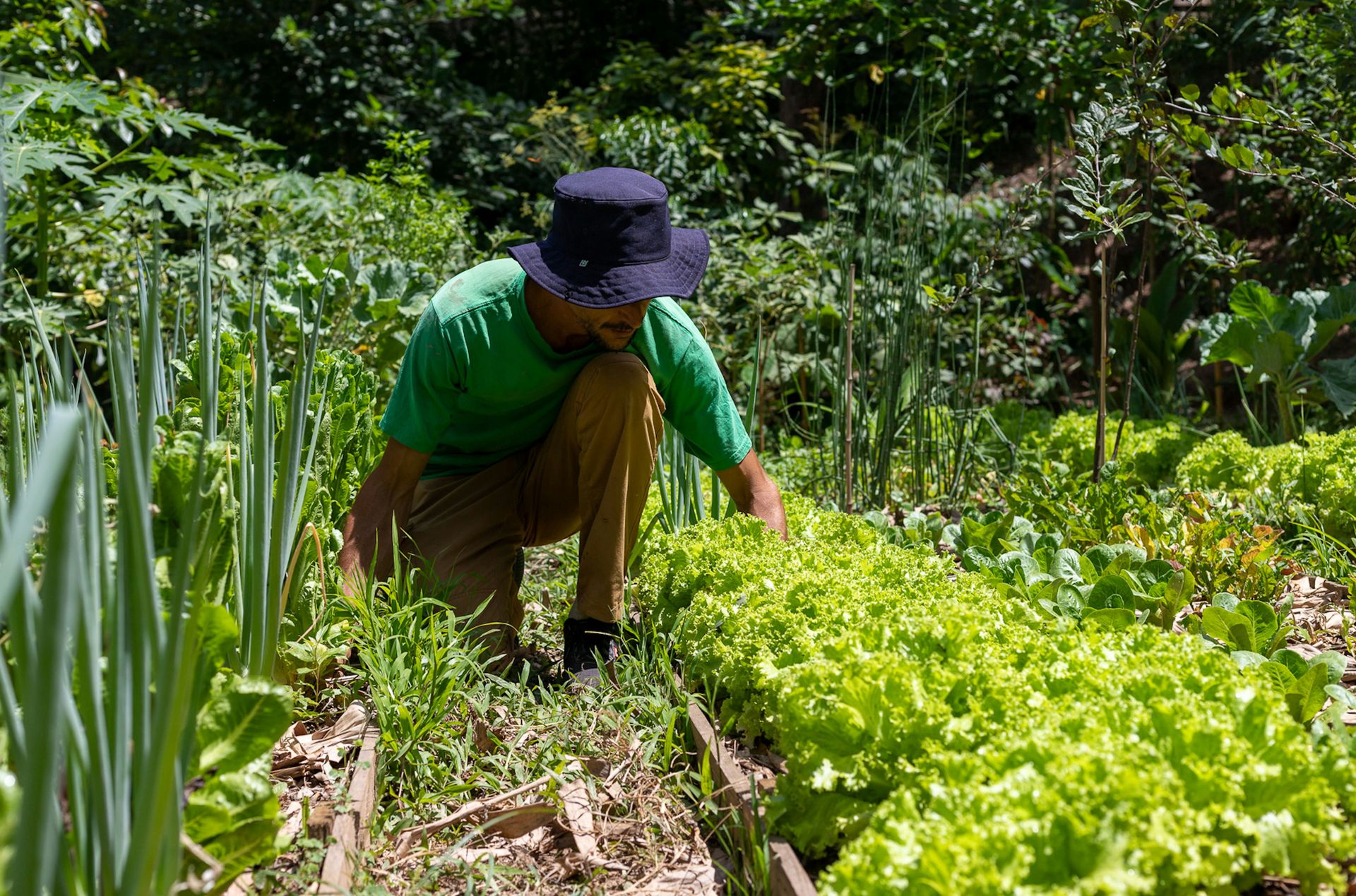
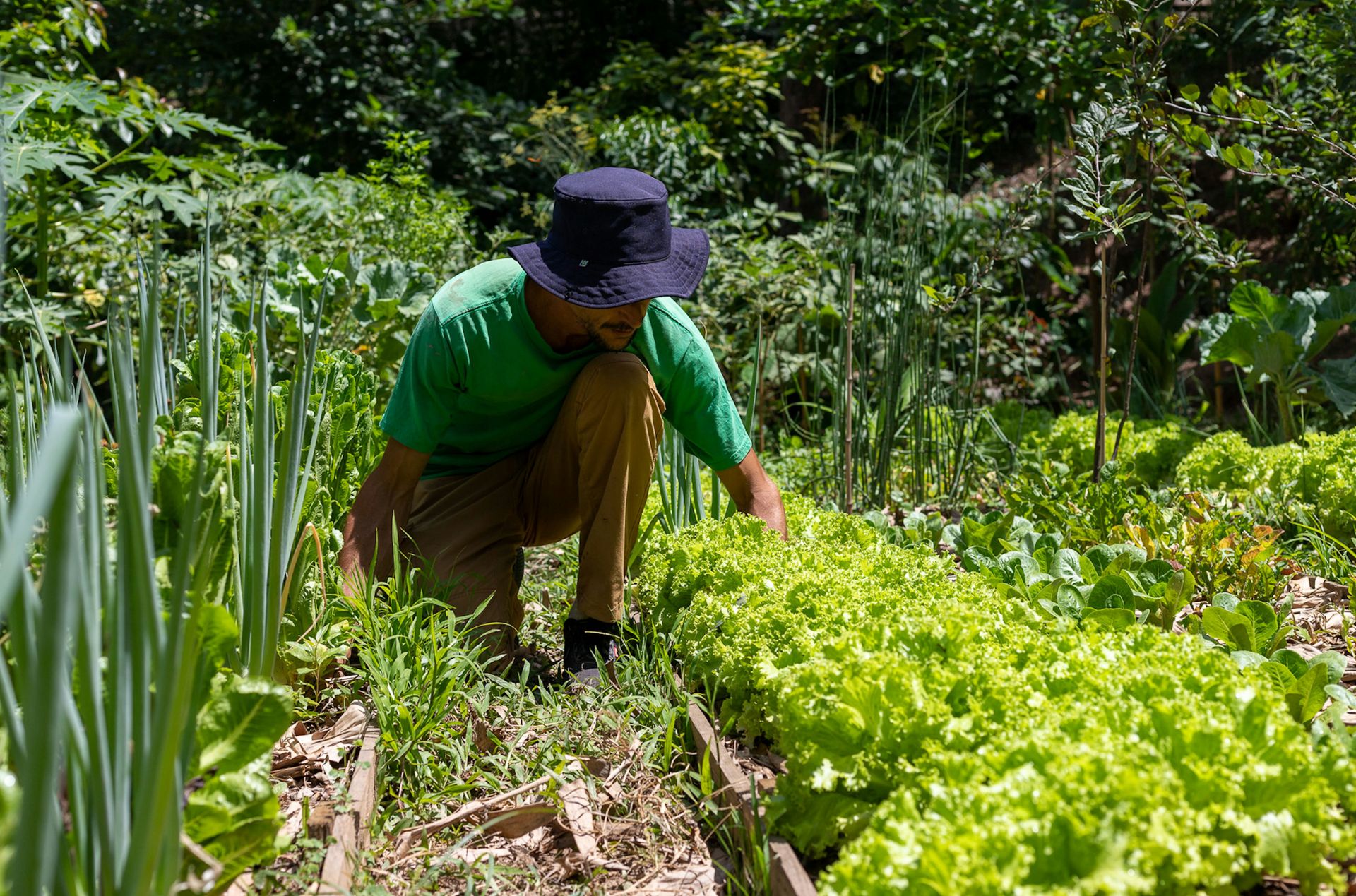
SAMPA Rural puts agriculture back at the center of São Paulo’s territory, recognizing that a third of the city is rural and deeply connected to food, environment, and culture. The program supports family farmers, agroecological transitions, and indigenous communities, while also linking urban gardens, public spaces, and local food initiatives into a single, citywide strategy. At its core is the Sampa+Rural platform, which maps thousands of agricultural sites, markets, and food-related initiatives, making the system visible and easier to support. The project combines this digital backbone with hands-on action: greenhouse schools for training, municipal centers that provide technical assistance and equipment, paid training opportunities, and direct links between producers and markets such as school meal programs. By connecting rural and urban agriculture, education, and local economies, SAMPA Rural strengthens food sovereignty, supports vulnerable communities, and shows how a megacity can integrate agriculture into its long-term development.
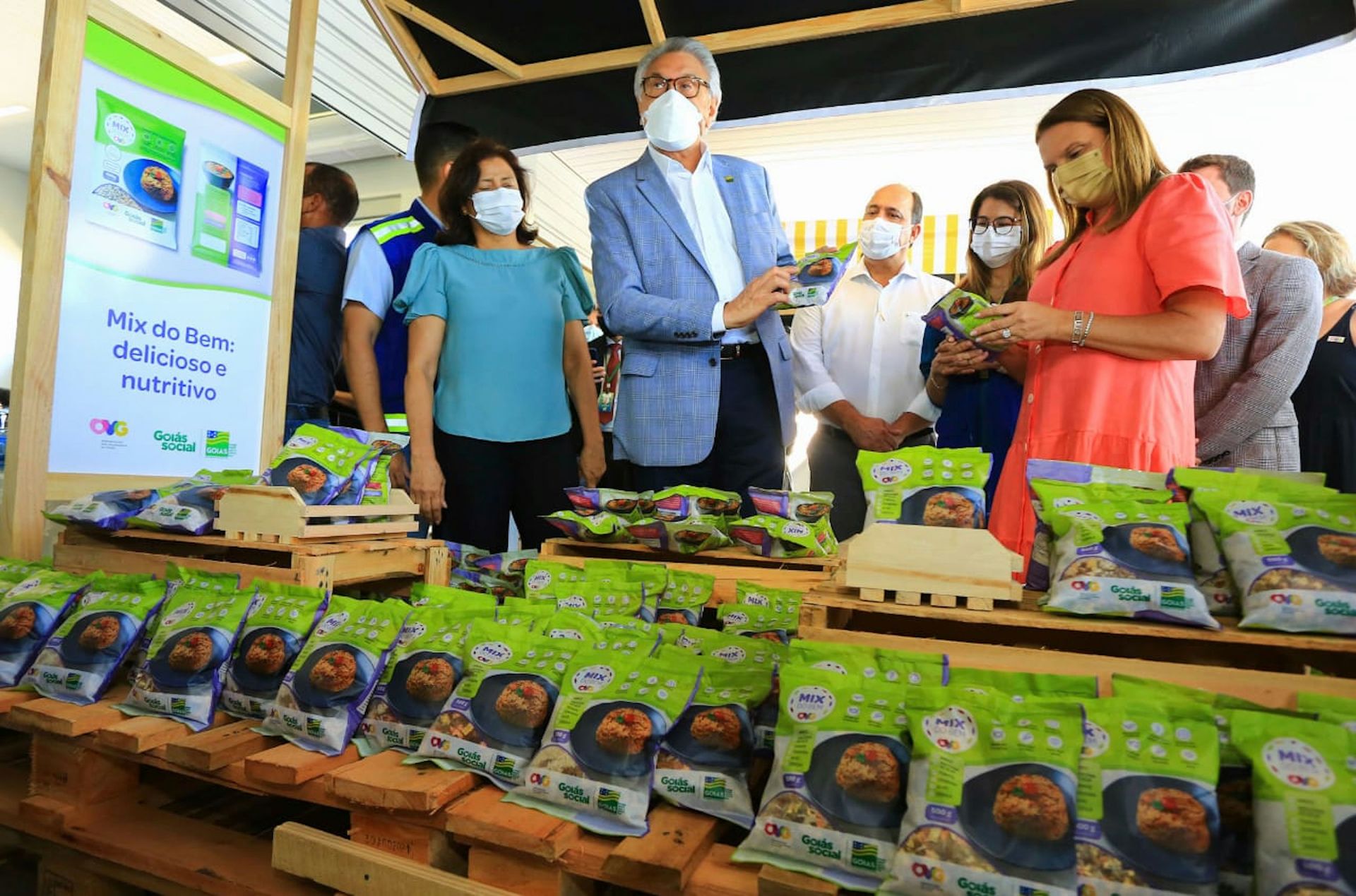
The Nutrebem Program tackles food waste and food insecurity at the same time by turning what would normally be discarded into nutritious food for people who need it most. Operated through the OVG Food Bank in the state of Goiás, the program recovers fruits and vegetables that fall outside commercial standards and transforms them into products like the “Mix do Bem” and dehydrated fruits. The approach combines food processing, preservation, and nutrition, making better use of existing food flows while reducing loss across the supply chain. On the ground, Nutrebem works at scale. Food produced by the program is distributed to social organizations and families facing food insecurity across the state, alongside education initiatives focused on healthy and sustainable eating. Since its launch in 2019, the program has redirected thousands of tons of food that would have gone to waste and reached tens of thousands of people through regular donations and training activities. By linking food recovery, local processing, and social support, Nutrebem shows how food systems can be redesigned to be both more efficient and more humane.
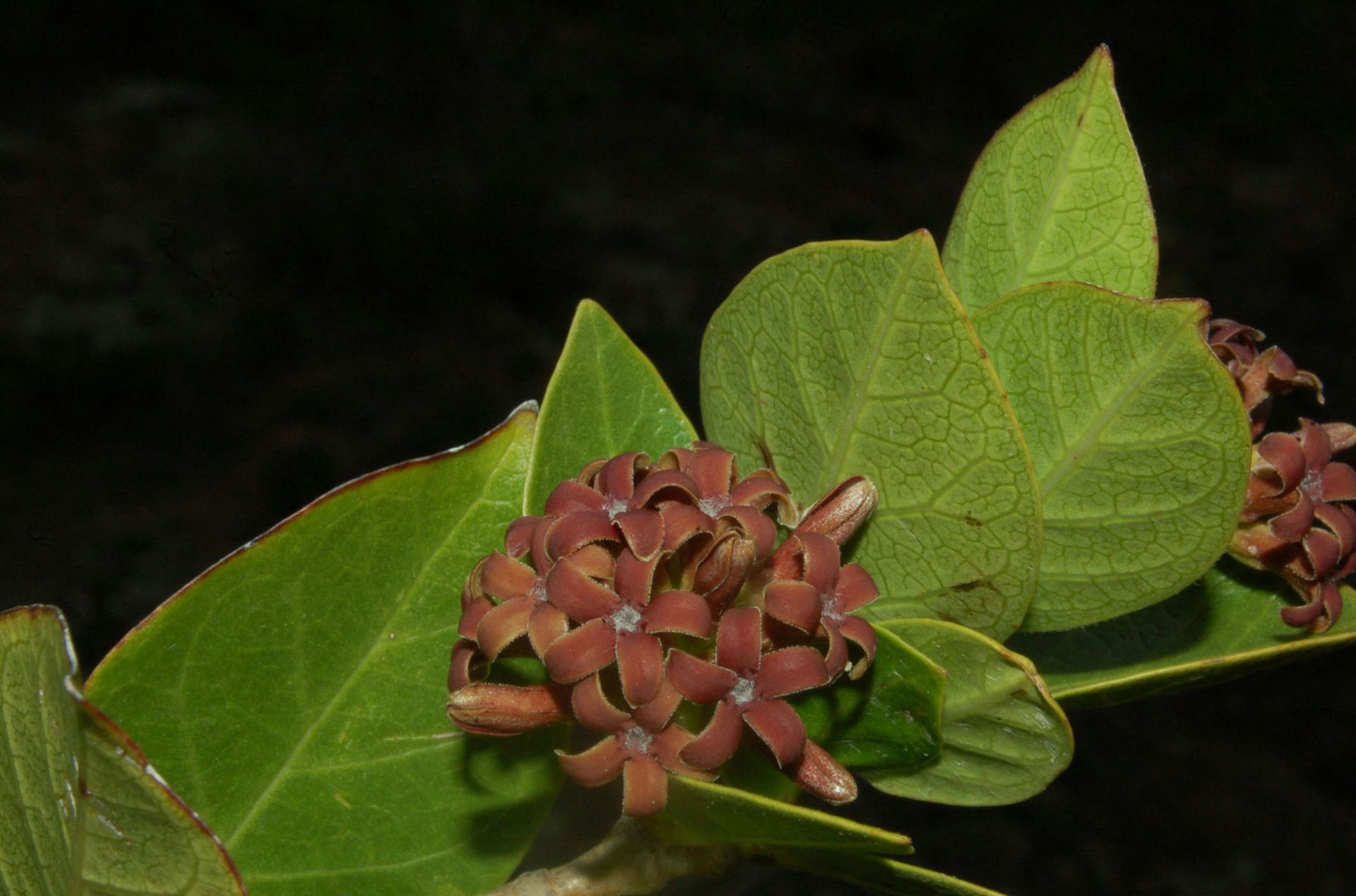
Tarum in Action explores how a native plant, the Tarum Areuy tree, can become the basis for sustainable production in cosmetics and textiles. The project focuses on using the plant’s natural properties to replace synthetic dyes and chemical-heavy hair products with alternatives that are biodegradable, renewable, and safer for both people and ecosystems. The initiative combines botanical research with hands-on experimentation to extract a natural blue pigment and integrate it into a shampoo formulation. By blending traditional knowledge with modern processing techniques, the project shows how local plant resources can be turned into practical products while keeping environmental impact low. Beyond the products themselves, Tarum in Action points to a broader ecosystem approach, one that supports local livelihoods, values indigenous knowledge, and opens the door to cleaner production models in the personal care and dye industries.
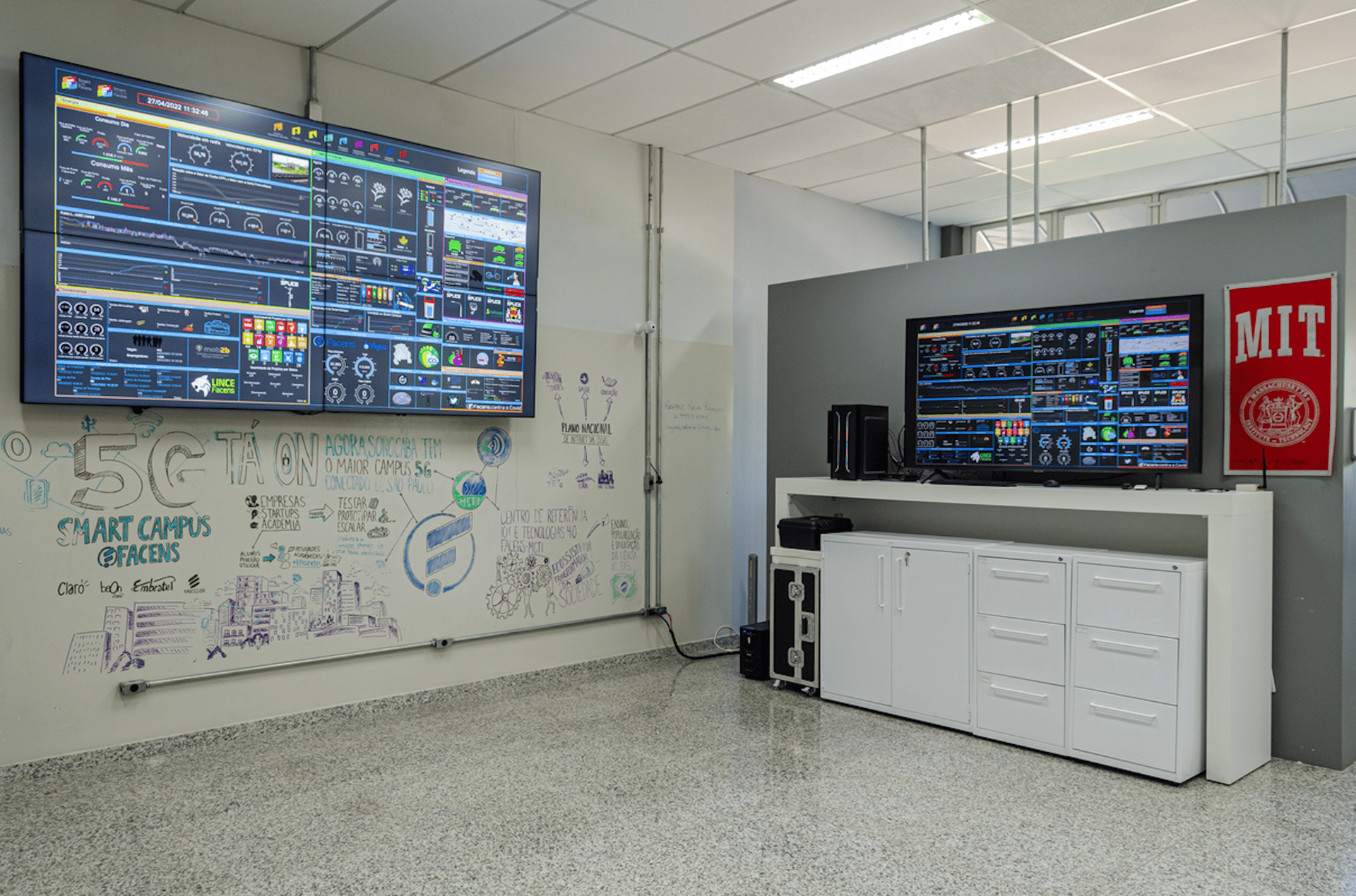
Smart Campus Facens uses the university campus as a real-world testing ground for smart and sustainable city solutions. Since 2014, the campus has functioned as a living lab where students, researchers, and partners can design, test, and deploy technologies under real conditions, with the goal of translating those solutions to cities beyond the university. The initiative brings together energy, water, waste, food, and data systems into a single, integrated environment. The campus runs entirely on renewable energy, generates part of its own power through solar panels, and has eliminated most single-use plastics. Water and waste flows are monitored and managed through IoT systems, enabling full on-site treatment, high recycling rates, and zero organic waste sent to landfill. By combining hands-on experimentation with measurable results, Smart Campus Facens shows how technology, when applied at the right scale, can support concrete progress toward smarter and more sustainable urban systems.

Annie Ferlatte
Communautique
Montreal

Beno Juarez
Fab Lab Lima
Lima

Carolina Marini
Fundacao Torino
Belo Horizonte

Jana Christine Koppe
Helmut-Schmidt-Universitat
Hamburg

Victor Freundt
Fab Lab Lima
Lima
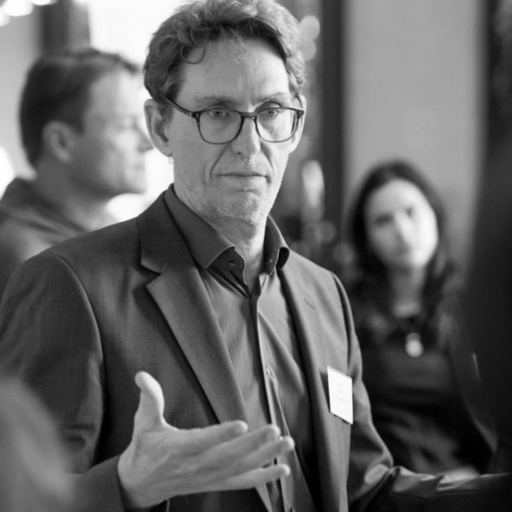
Wolf Kühr
AMD Akademie Mode & Design
Hamburg
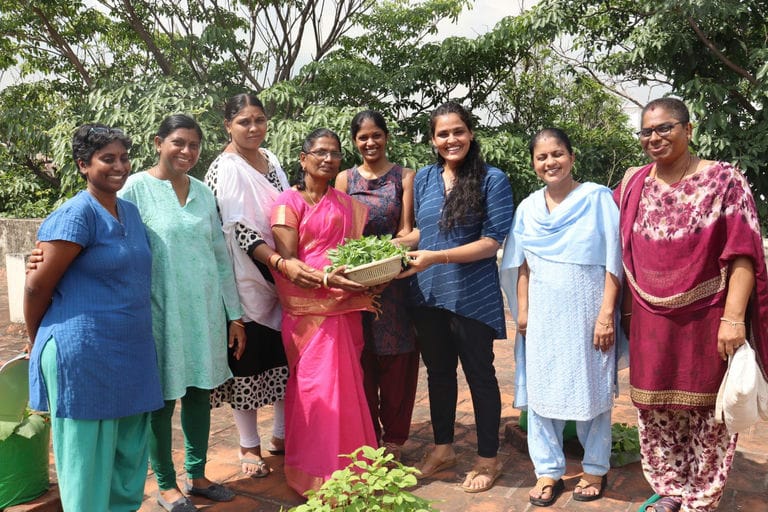
Fab City Awards 2026 highlighted initiatives under the theme ''Collective Action for regenerative urban futures''. The edition focused on initiatives that move beyond experimentation and demonstrate how collective action can shape real transitions in cities and regions.
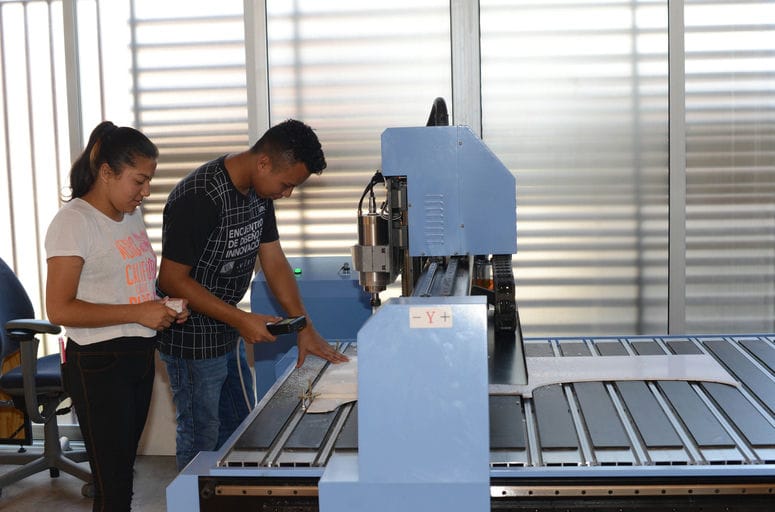
Fab City Awards 2025 centered on climate action driven from the ground up. The edition recognized initiatives that respond to the climate crisis through community-led action, circular and sustainable technologies, and the regeneration of ecosystems and biodiversity.
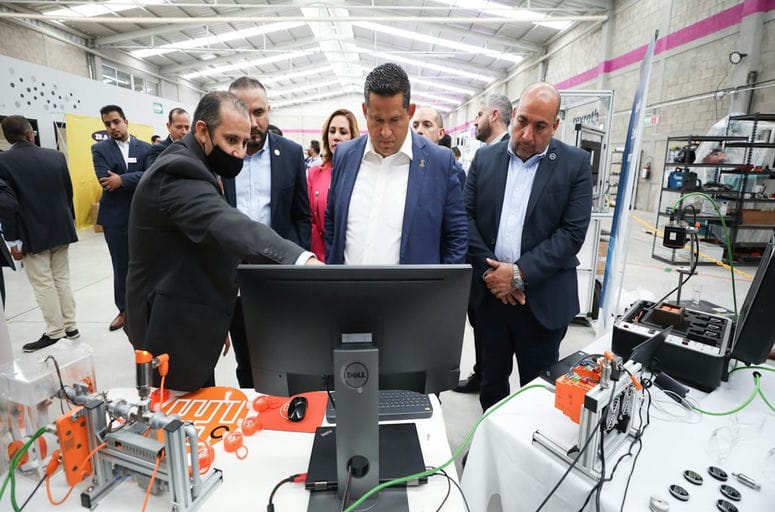
Fab City Awards 2023 focused on building the foundations of locally productive and resilient cities. The edition highlighted initiatives strengthening local manufacturing and production, expanding education and training, supporting project incubation, enabling grassroots innovation, and advancing policies and governance that make local transformation possible.
Redesigning the relationship between production and place
© 2026 FabCity. All rights reserved.