
Fab City Awards 2025 centered on climate action driven from the ground up. The edition recognized initiatives that respond to the climate crisis through community-led action, circular and sustainable technologies, and the regeneration of ecosystems and biodiversity.
55 projects from Africa, Asia, Latin America, North America and Europe
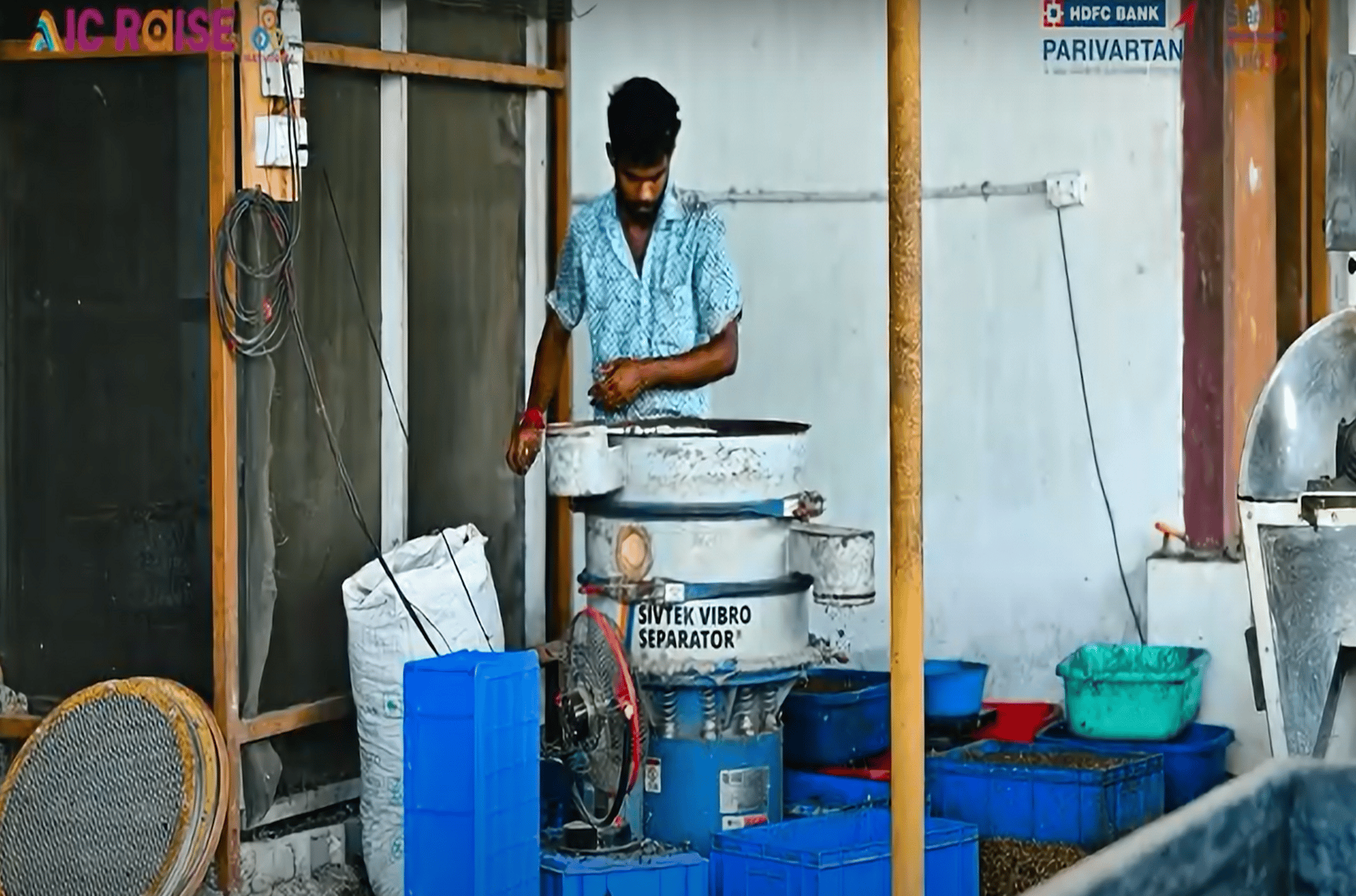
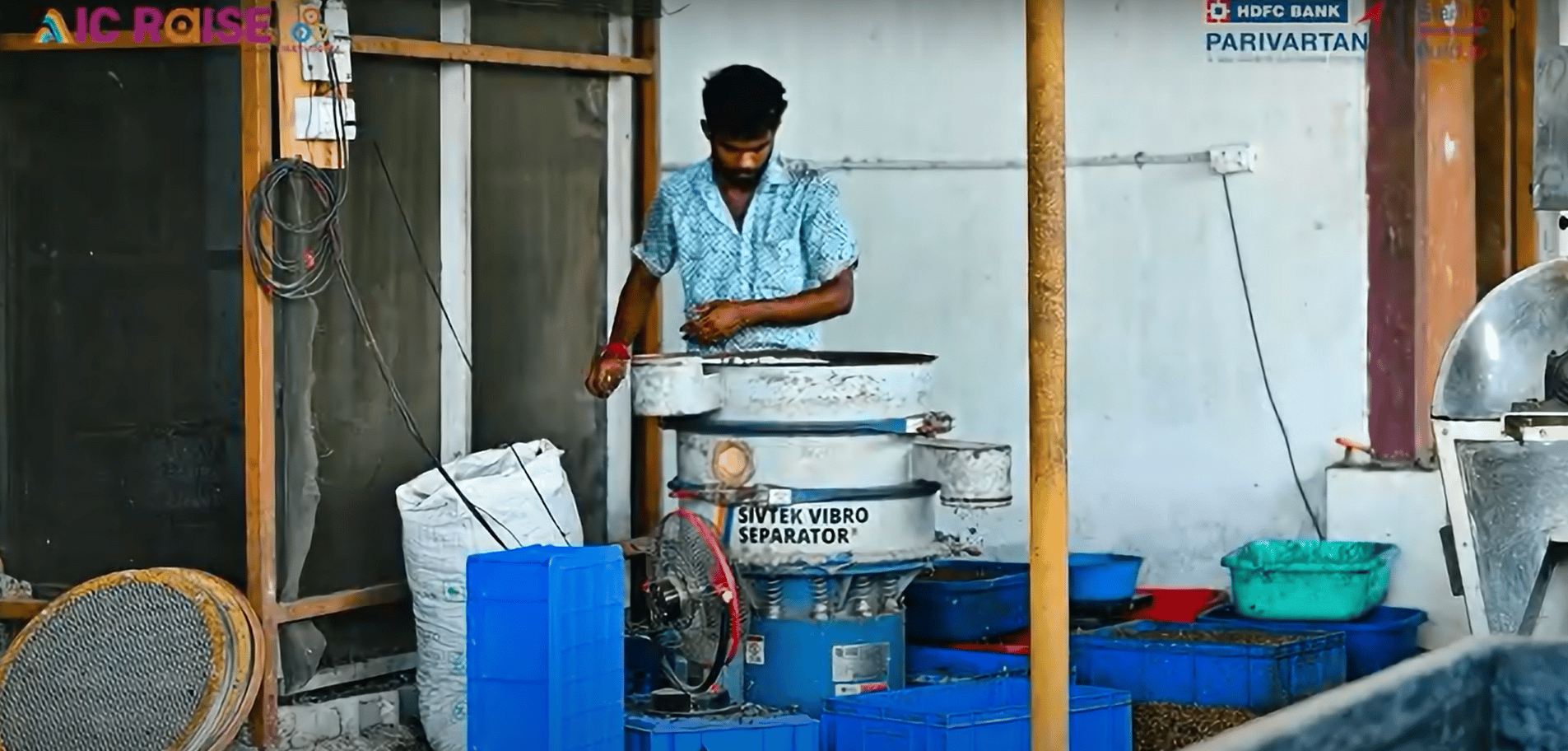
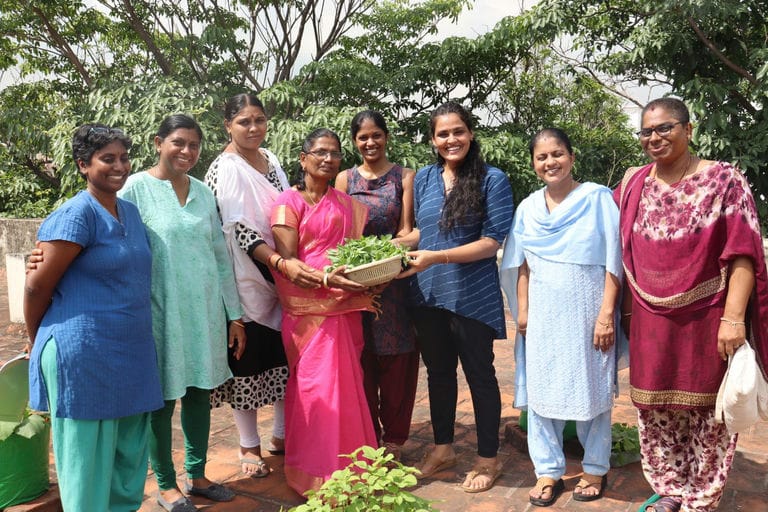
KOVAI BSF tackles two big problems at once: organic waste and food security. The project uses Black Soldier Fly larvae to convert agricultural waste into high-quality protein for animal feed, turning what would normally end up in landfills into a valuable resource. Built around circular economy and regenerative agriculture principles, the model shows how biotechnology can be applied in a practical, scalable way. What makes KOVAI BSF stand out is how complete the system is. Organic waste is diverted, emissions are reduced, and a new source of sustainable protein is created, all within a commercially viable operation. At the same time, the project opens new economic opportunities for farming communities and helps establish insect-based nutrition as a serious alternative within India’s food system. It is a clear example of how local innovation can address global challenges without adding new environmental costs.
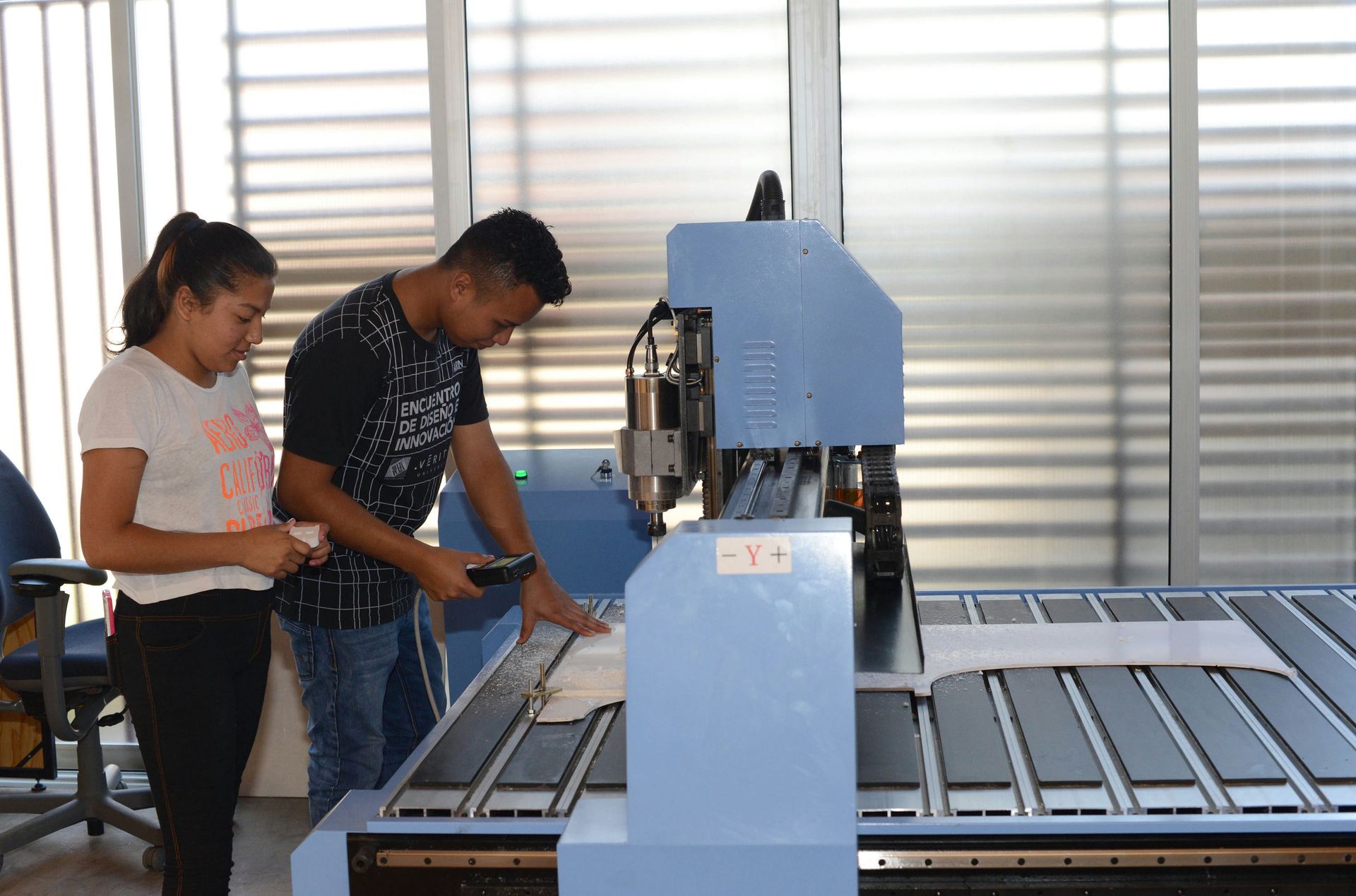
Sifais Lab was born from a partnership between local fab labs and a community foundation, with a clear goal: bring digital fabrication and innovation tools directly into a vulnerable urban neighborhood. What started as a pilot with young people from La Carpio quickly grew into a permanent space, supported by the community itself and shaped by real local needs. As the first digital fabrication lab embedded in a vulnerable urban community in the Americas, Sifais Lab works as an open, inclusive workshop where people learn by doing. Residents use the space to prototype everyday objects, develop products for social enterprises, and explore creative and cultural projects together. The lab’s participatory model builds skills, confidence, and shared ownership, while reinforcing local identity across generations. More than a makerspace, Sifais Lab functions as a living laboratory for urban regeneration, helping the community adapt, respond, and stay resilient in the face of social and technological change.
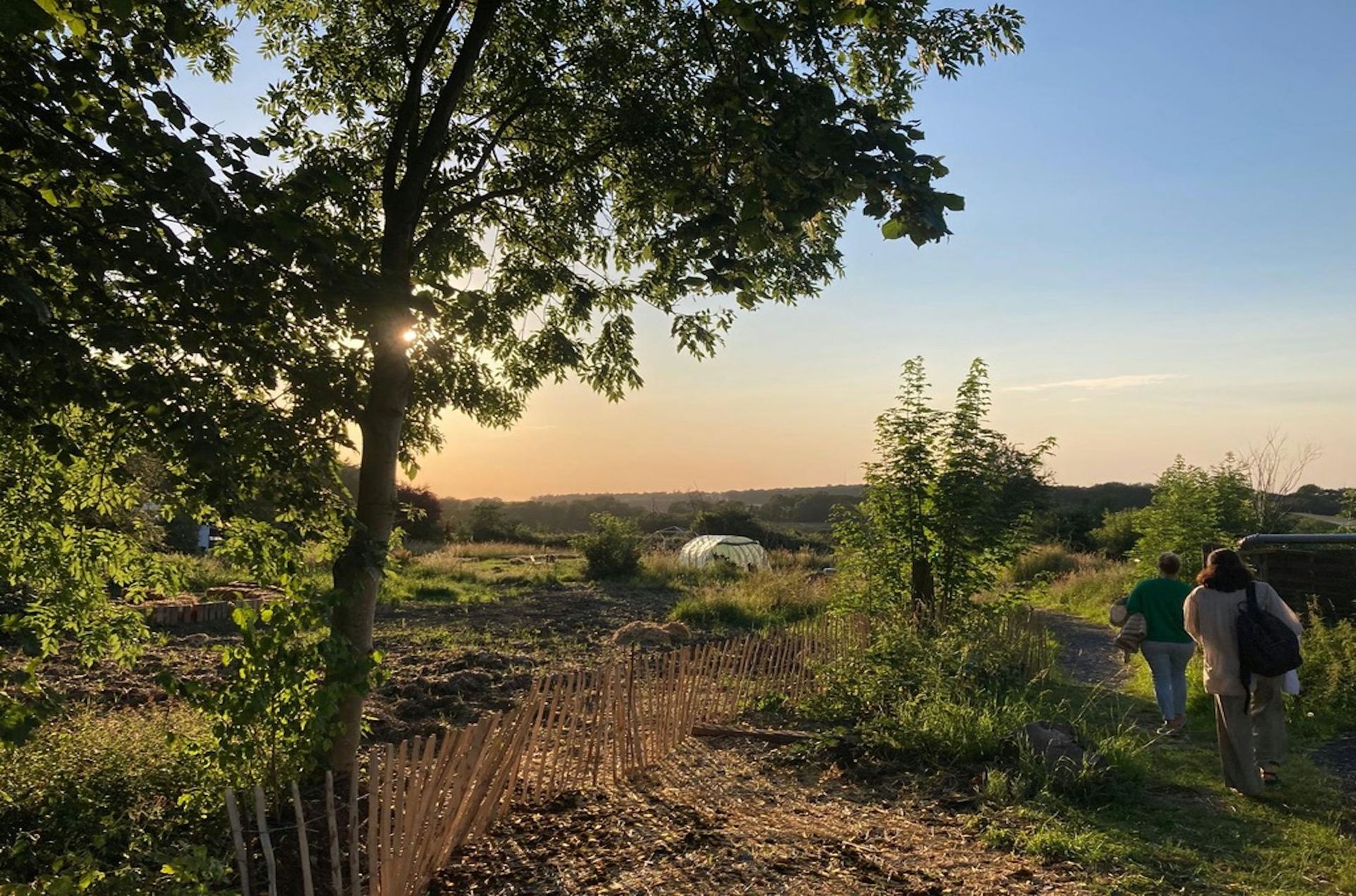
Gut Einern is a hands-on learning center that turns sustainability into something people can see, touch, and practice. The initiative brings together topics like circular economy, regenerative agriculture, and local food production through real projects rather than theory, creating a space where learning happens by doing. The center works through a mix of modular programs, from vertical farming and permaculture to mobile learning setups that travel beyond the site itself. These activities are designed for students, families, and local organizations, and invite participants to take part in growing food, managing resources, and reducing waste. By combining education, experimentation, and community involvement, Gut Einern offers practical models that can be replicated in both urban and rural contexts, showing how sustainability can be integrated into everyday life at a local scale.
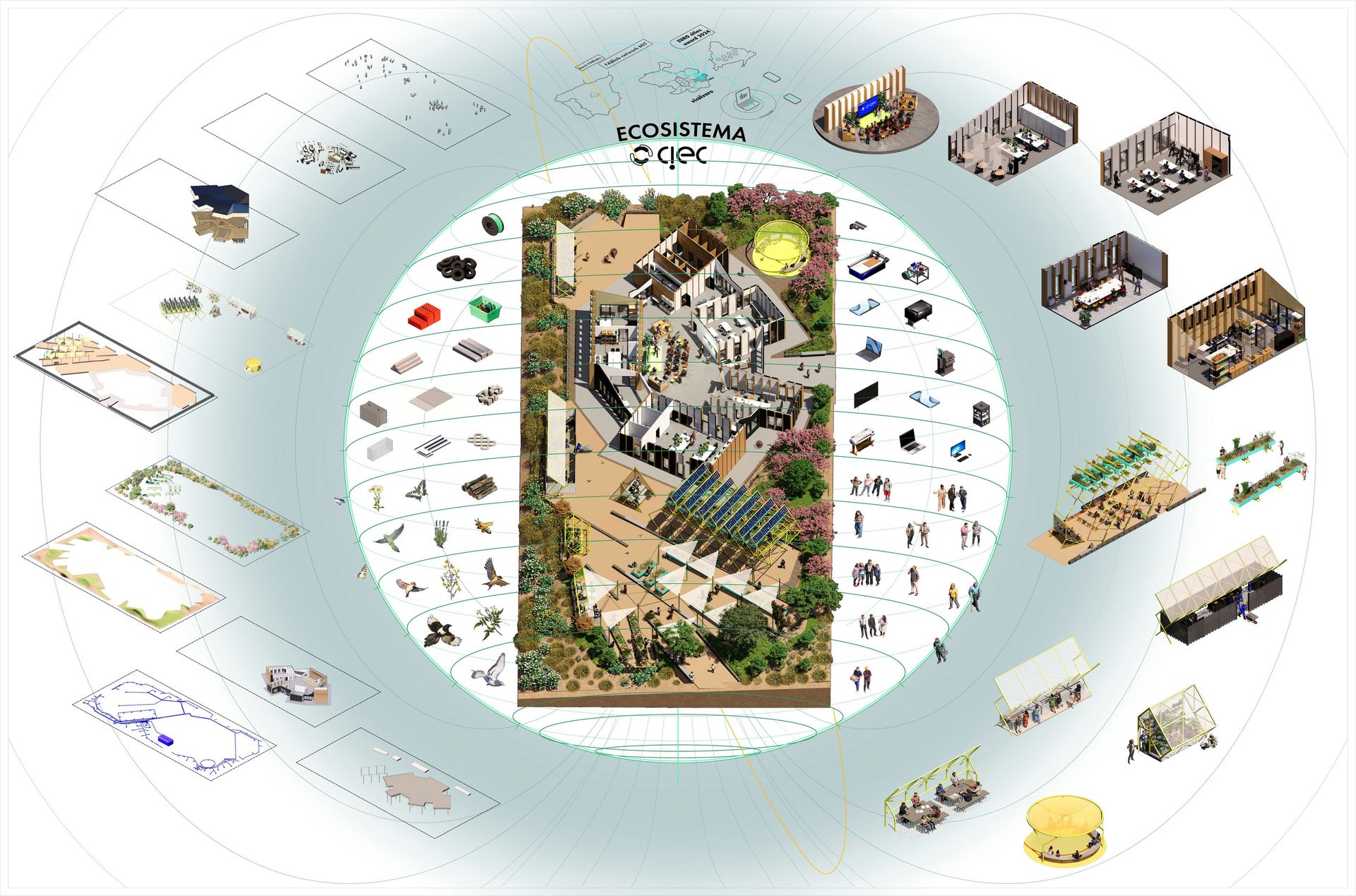
The Centre for Innovation in Circular Economy (CIEC Madrid) is the city’s public hub for turning circular economy ideas into real action. Led by Madrid City Council in collaboration with universities, companies, and foundations, the center brings together innovation, entrepreneurship, and social inclusion under a shared goal of accelerating the green transition. The facility itself is part of the message. As Madrid’s first public wooden building, it acts as a living example of how public infrastructure can respond to climate challenges, improve urban biodiversity, and create better conditions for experimentation. Inside, spaces like the FabLab and the Nature-Based Solutions Lab support hands-on testing, citizen science, and the development of new circular technologies. Through startup support, training programs, and open collaboration, CIEC has become a place where local challenges meet practical solutions, while creating jobs, skills, and new economic opportunities tied to circular innovation.

Alessandra Schmidt
We.Flow, Fab Lab Barcelona
Barcelona

Annie Ferlatte
Communautique
Montreal
Asger Nørregård Rasmussen
Maker
Copenhagen

Beno Juarez
Fab Lab Lima
Lima
Carolina Marini
Fundacao Torino
Belo Horizonte
Chetan Kadam
Vigyan Ashram
Pune

Jinger Zeng
Seeed Studio
Cincinnati

Marcia Sobreira
We.Flow
Sao Paulo
Massimo Bianchini
Polifactory
Italy
Saad Chinoy
Global Innovation Gathering, Spudnik Lab
Singapore

Thomas Duggan
Thomas Duggan Studio
Plymouth

Victor Freundt
Fab Lab Lima
Lima
Wolf Kühr
AMD Akademie Mode & Design
Hamburg
Fab City Awards 2026 highlighted initiatives under the theme ''Collective Action for regenerative urban futures''. The edition focused on initiatives that move beyond experimentation and demonstrate how collective action can shape real transitions in cities and regions.
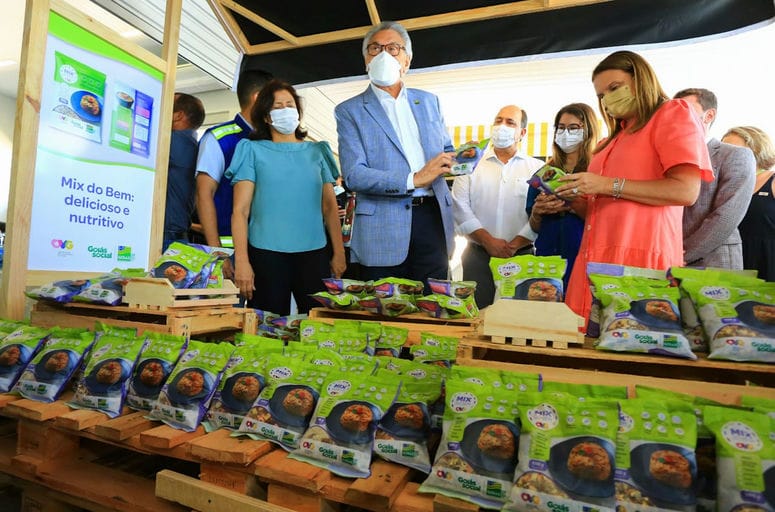
Fab City Awards 2024 shifted the focus from foundations to impact. The edition highlighted implemented projects that translate regenerative principles into practice by restoring ecosystems, applying sustainable technologies, and strengthening social and community dynamics across urban and rural contexts.
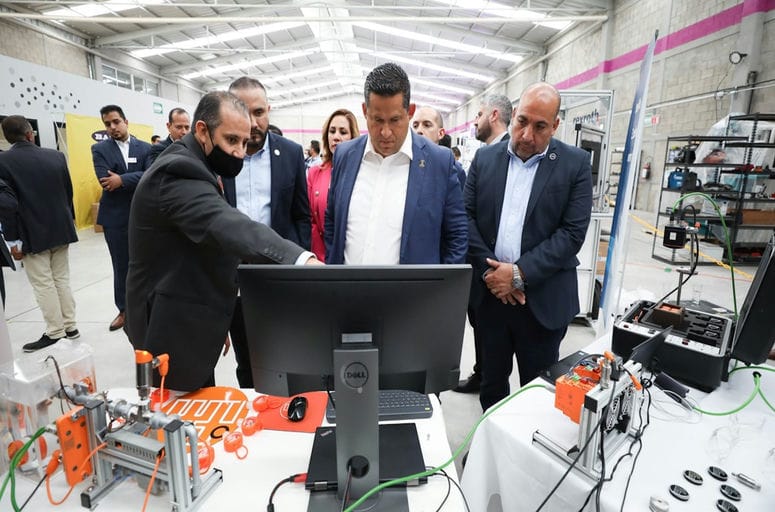
Fab City Awards 2023 focused on building the foundations of locally productive and resilient cities. The edition highlighted initiatives strengthening local manufacturing and production, expanding education and training, supporting project incubation, enabling grassroots innovation, and advancing policies and governance that make local transformation possible.
Redesigning the relationship between production and place
© 2026 FabCity. All rights reserved.