
Fab City Awards 2026 highlighted initiatives under the theme ''Collective Action for regenerative urban futures''. The edition focused on initiatives that move beyond experimentation and demonstrate how collective action can shape real transitions in cities and regions.
51 projects from Africa, Asia, Latin America, North America and Europe
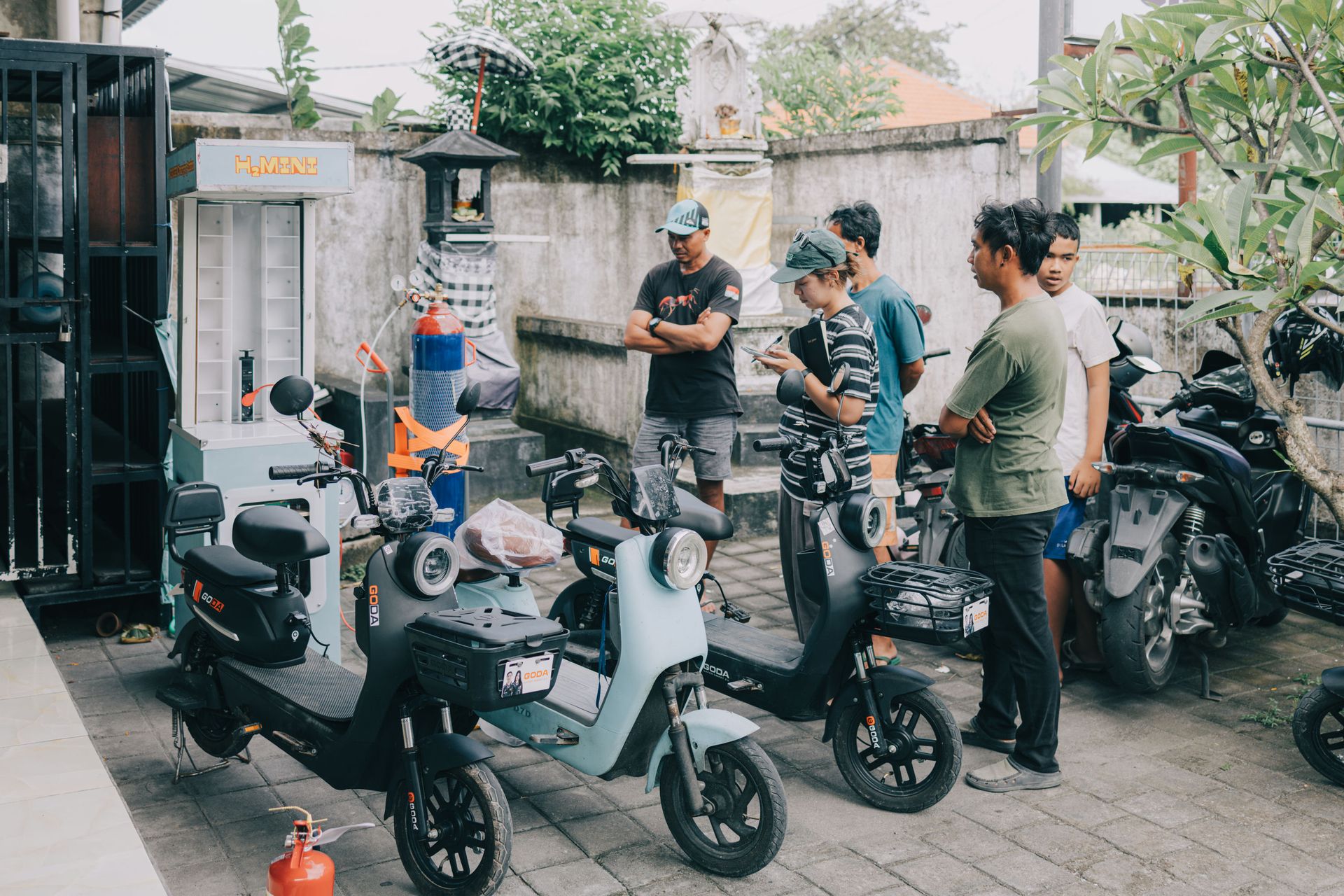
Green Hydrogen Village is a community-embedded energy initiative led by Fab Lab Bali in Desa Serangan, a small island community of fishing families, small businesses, and cultural practitioners navigating rising energy costs, unreliable infrastructure, and rapid environmental change. The project asks a different question than most energy transition pilots: not how do we deliver clean energy to a community, but how does an energy transition take root when it's built from the inside out? Treating the banjar — the traditional neighbourhood unit — as an innovation hub, the initiative develops low-cost hydrogen generation, waste-to-energy systems, and hydrogen-powered product applications adapted to coastal life. Alongside the technology, future skills workshops, cultural co-creation, and local champion networks build the social infrastructure for long-term adoption. Throughout, the work commits to legibility: ensuring the energy transition is something residents can see, touch, discuss, and own. Green Hydrogen Village is an experiment in regenerative systems emerging where technology, culture, and collective care intersect — a model for what energy transition looks like when it begins at the scale of a village.
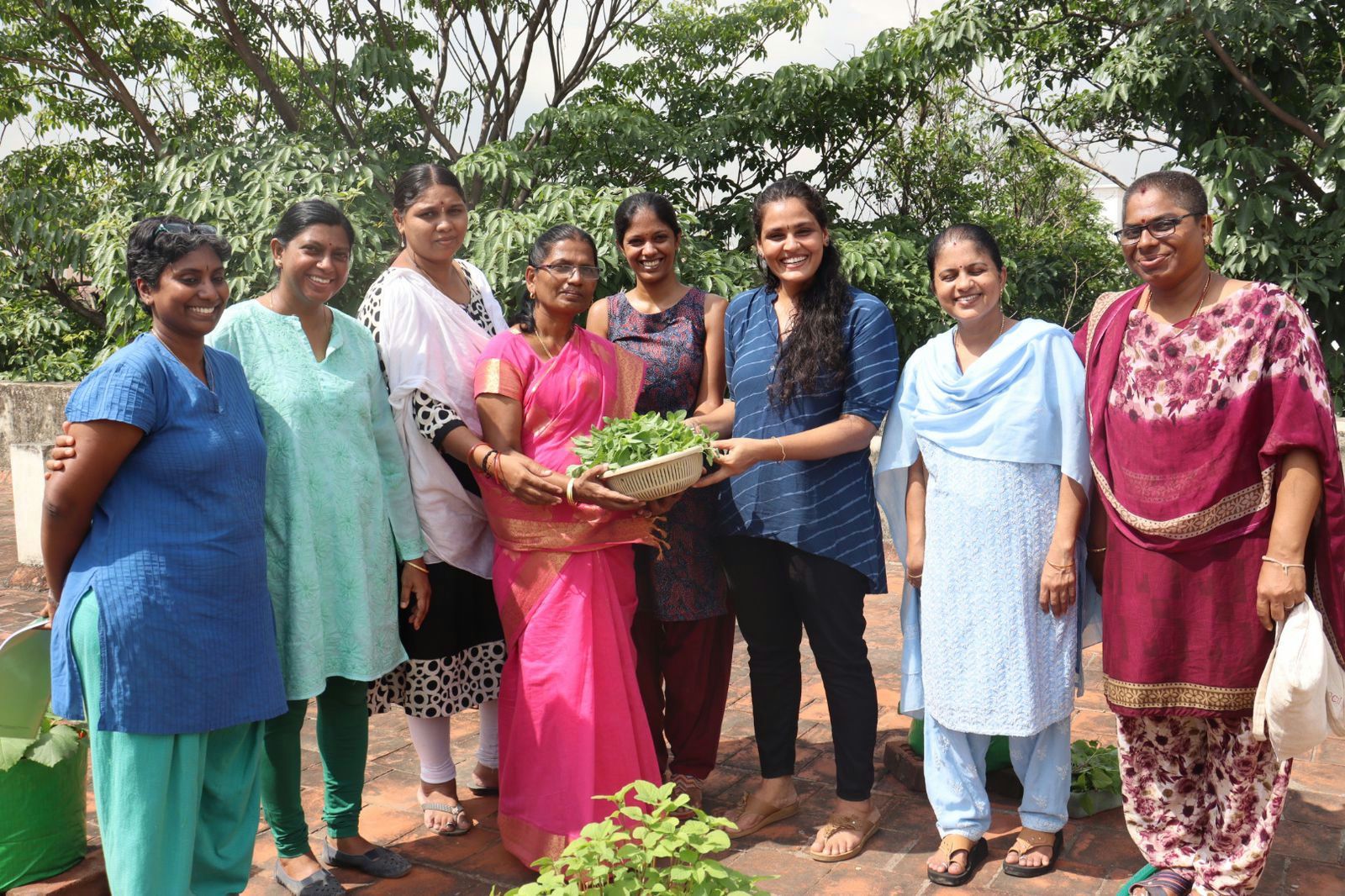
Segregate to Regenerate-ROKA is a community-led waste management initiative in Adyar, Chennai, working to solve one of India's hardest sustainability challenges: source segregation of household waste. Founded in 2019 by a group of environment-focused residents, the association began with door-to-door campaigns across 2,500 households in 2018 and reached 80% segregation compliance within a year — a rate well above the national average. The initiative has since evolved into a broader programme, with community composting introduced in 2023 under the We Segregate banner, and ongoing partnerships with neighbourhood schools and adjacent communities. Supported by Okapi Research & Advisory, the Urban Ocean consortium, the Resilient Cities Network, and the University of Georgia's New Materials Institute, ROKA has scaled grassroots behaviour change into a model now drawing attention from Chennai's municipal corporation. The project shows how local resident-led action can shift the foundations of city-scale waste systems.
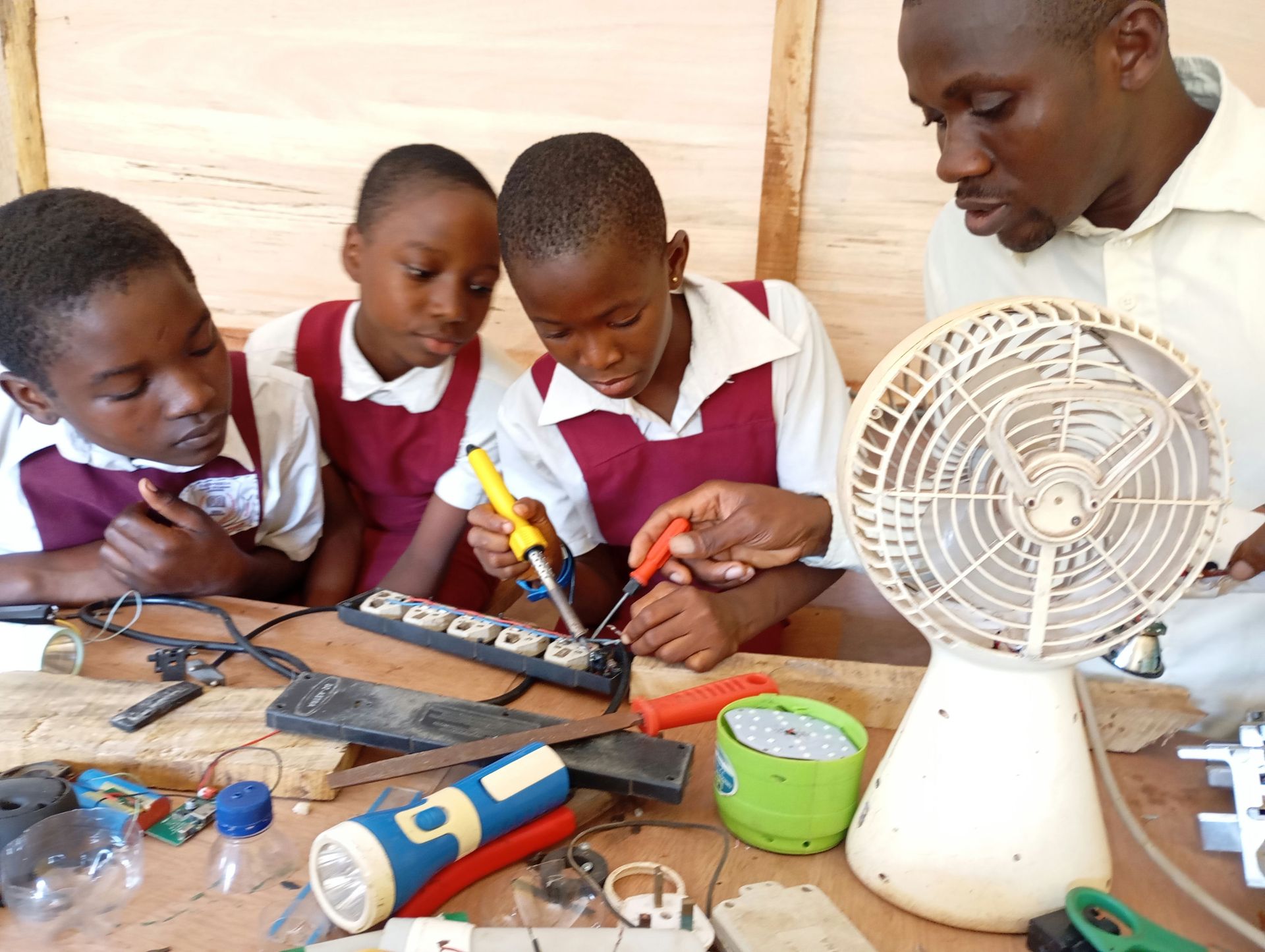
SparkWise is a youth-led clean energy and circular economy project transforming waste into power across underserved communities in Nigeria. Operating in rural and peri-urban areas of Abia, Ogun, and Oyo States — including Oberete-Asa, Umudii, Umule, Odeda, and Ibadan — the initiative responds to the dual challenge of energy poverty and accumulating plastic and electronic waste. SparkWise trains students and local youth to convert discarded plastics and electronics into affordable solar lanterns and small appliances, delivering safe, low-cost lighting to households, students, and small businesses. The work runs through hands-on training, community engagement, and emerging tech hubs focused on repair, recycling, and solar assembly. To date, over 1,000 solar lanterns have been produced, reaching more than 10,000 people. By combining clean energy access with youth empowerment and waste-to-resource innovation, SparkWise builds the next generation of local climate innovators — and a scalable model for community-driven energy transition.
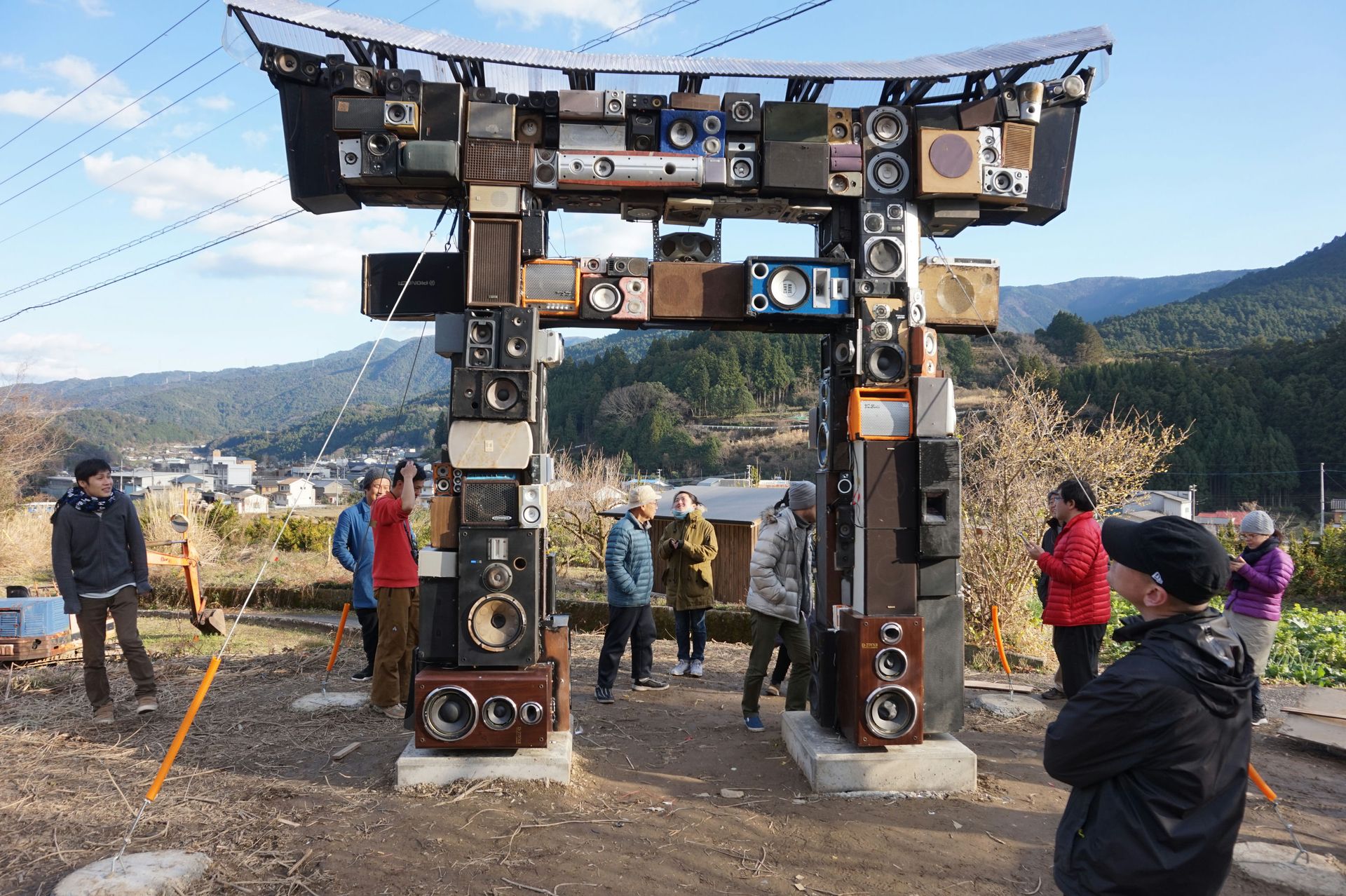
The Speakers Sculpture is a public sound installation that turns electronic waste into civic infrastructure for free expression. Built from 300 to 500 recycled loudspeakers donated by local residents, recycling businesses, and thrift shops, the sculpture is site-specifically constructed — free-standing or integrated into local buildings and topographies, always in collaboration with cultural agencies or youth organisations. Its purpose is to function as a contemporary "Speakers' Corner": a place where neighbourhood residents, musicians, choral groups, and passersby can broadcast their voices into public space. Participants connect microphones, MP3 players, or instruments directly to the sculpture; phone in for three-minute live messages; relay songs via Bluetooth; or contribute through social media channels using the hashtag #speakerssculpture. Streaming video lets remote callers see and address the public in real time. The project transforms discarded technology into a participatory civic platform — a sculpture that listens as much as it speaks.
Alessandra Schmidt
We.Flow, Fab Lab Barcelona
Barcelona
Aniruddh Mali
Gandhinagar, Gandhinagar

Annie Ferlatte
Communautique
Montreal
Asger Nørregård Rasmussen
Maker
Copenhagen
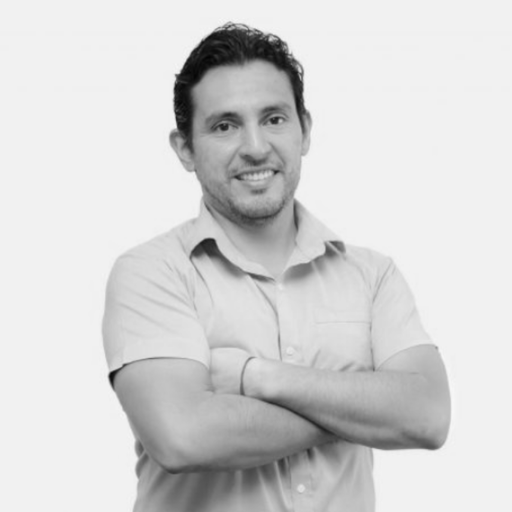
Beno Juarez
Fab Lab Lima
Lima

Carolina Marini
Fundacao Torino
Belo Horizonte
Chetan Kadam
Vigyan Ashram
Pune

Elizabeth Folan O'Connor
University College Cork
Cork
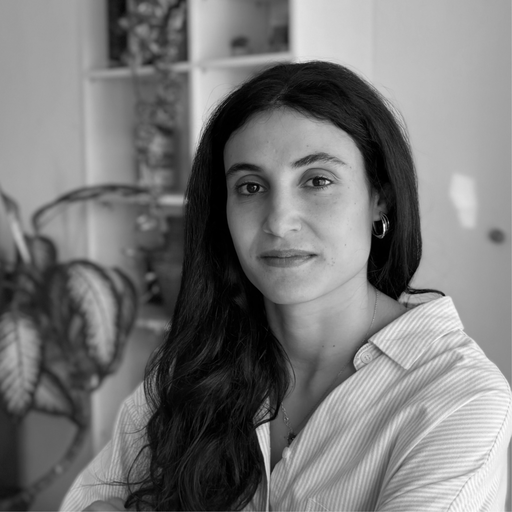
Fadia Elgharib
Global Innovation Gathering
Cairo

Filipa Guilherme
Science Faculty Porto
Porto
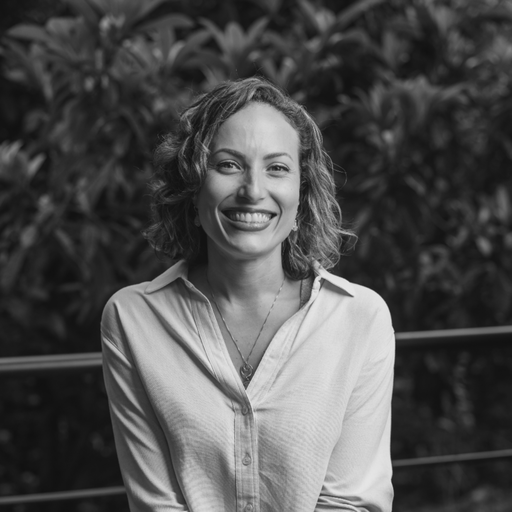
Flavia Feliz
We.Flow
Curitiba
Ilona Kish
Public Libraries 2030
Brussels

Jinger Zeng
Seeed Studio
Cincinnati
Massimo Bianchini
Polifactory
Italy
Matteo Pallocca
University College Cork
Cork
Milena Calvo Juarez
Fab Lab Barcelona
Barcelona
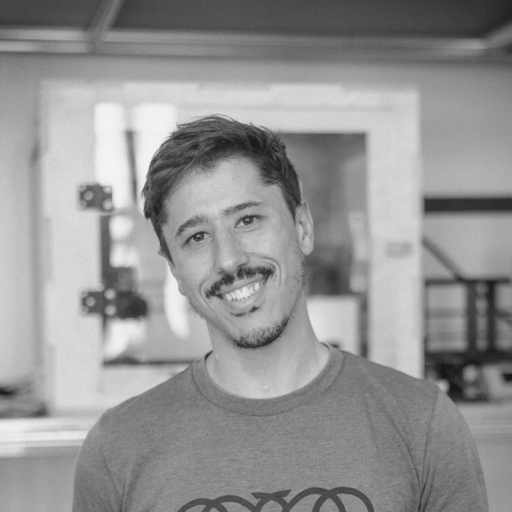
Oscar Gonzalez
Fab Lab Barcelona
Barcelona

Rachel Kelly
European Crafts Alliance
Brussels
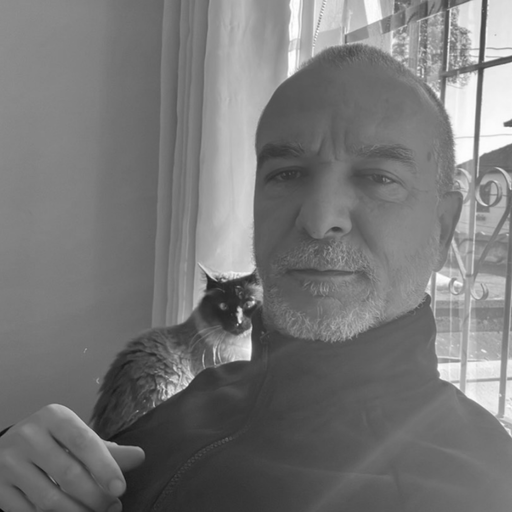
Ricardo Freire
Global Innovation Gathering
Brazil
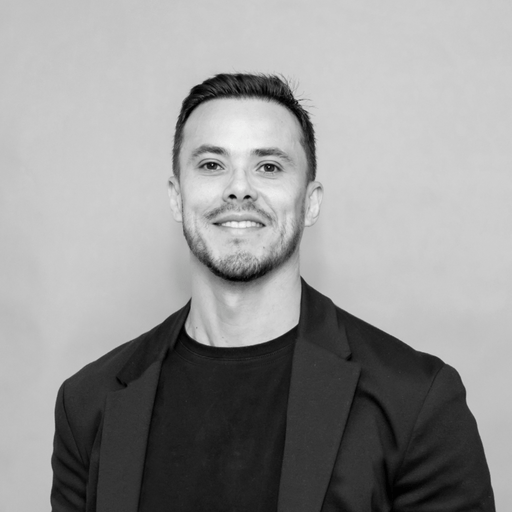
Robert Garita
Sifais Lab
Doha
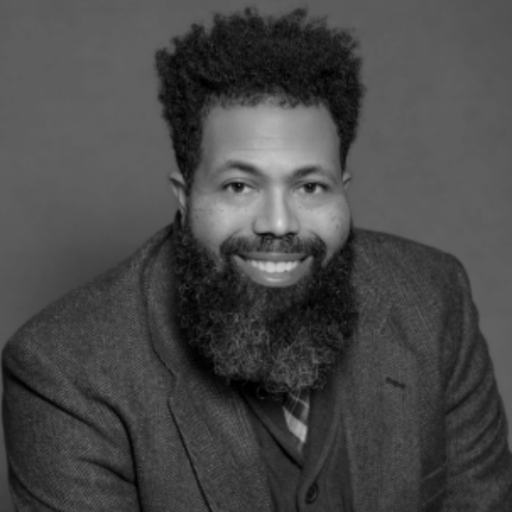
Rodney Williams
Fab Foundation
Boston
Saad Chinoy
Global Innovation Gathering, Spudnik Lab
Singapore
Sherry Lassiter
Fab Foundation
Boston
Siobhan O’Sullivan
University College Cork
Cork
Terence Fagan
Charlotte Super Fab Lab
Charlotte

Thora Oskarsdottir
Fab Lab Reykjavik
Reykjavk
Vaibhav Chhabra
India, Goa
Victor Freundt
Fab Lab Lima
Lima
Victoria Wenzelmann
Helmut-Schmidt-Universitat, Fab City Hamburg
Hamburg
Wolf Kühr
AMD Akademie Mode & Design
Hamburg

Yasushi Sakai
MIT Media Lab - City Science Research
Boston
Yoon-Chan Kim
San Francisco
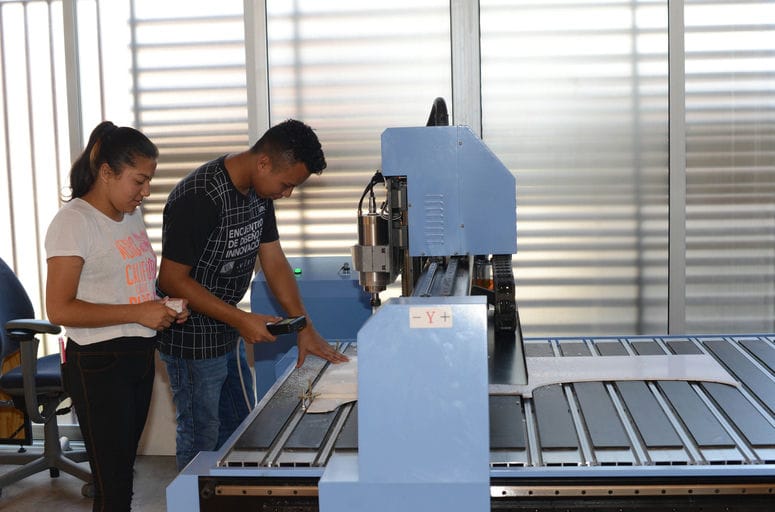
Fab City Awards 2025 centered on climate action driven from the ground up. The edition recognized initiatives that respond to the climate crisis through community-led action, circular and sustainable technologies, and the regeneration of ecosystems and biodiversity.
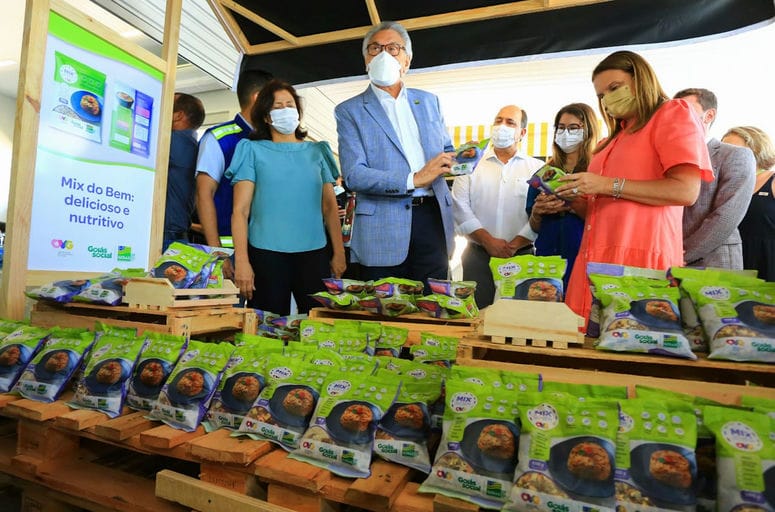
Fab City Awards 2024 shifted the focus from foundations to impact. The edition highlighted implemented projects that translate regenerative principles into practice by restoring ecosystems, applying sustainable technologies, and strengthening social and community dynamics across urban and rural contexts.
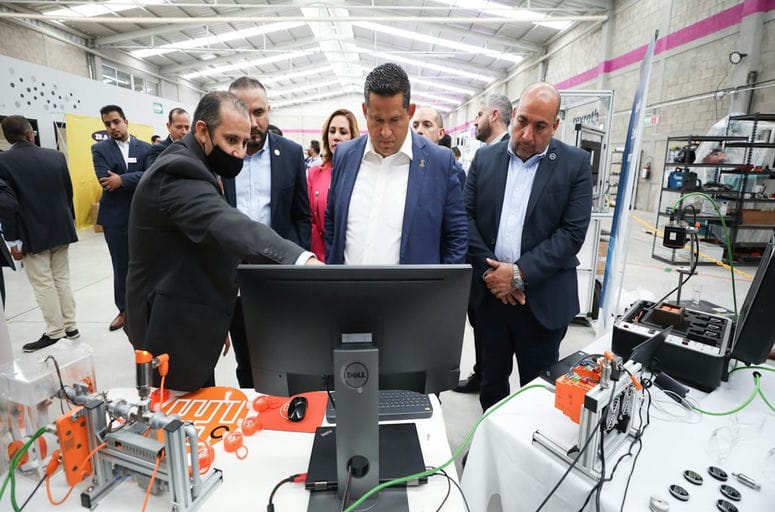
Fab City Awards 2023 focused on building the foundations of locally productive and resilient cities. The edition highlighted initiatives strengthening local manufacturing and production, expanding education and training, supporting project incubation, enabling grassroots innovation, and advancing policies and governance that make local transformation possible.
Redesigning the relationship between production and place
© 2026 FabCity. All rights reserved.