
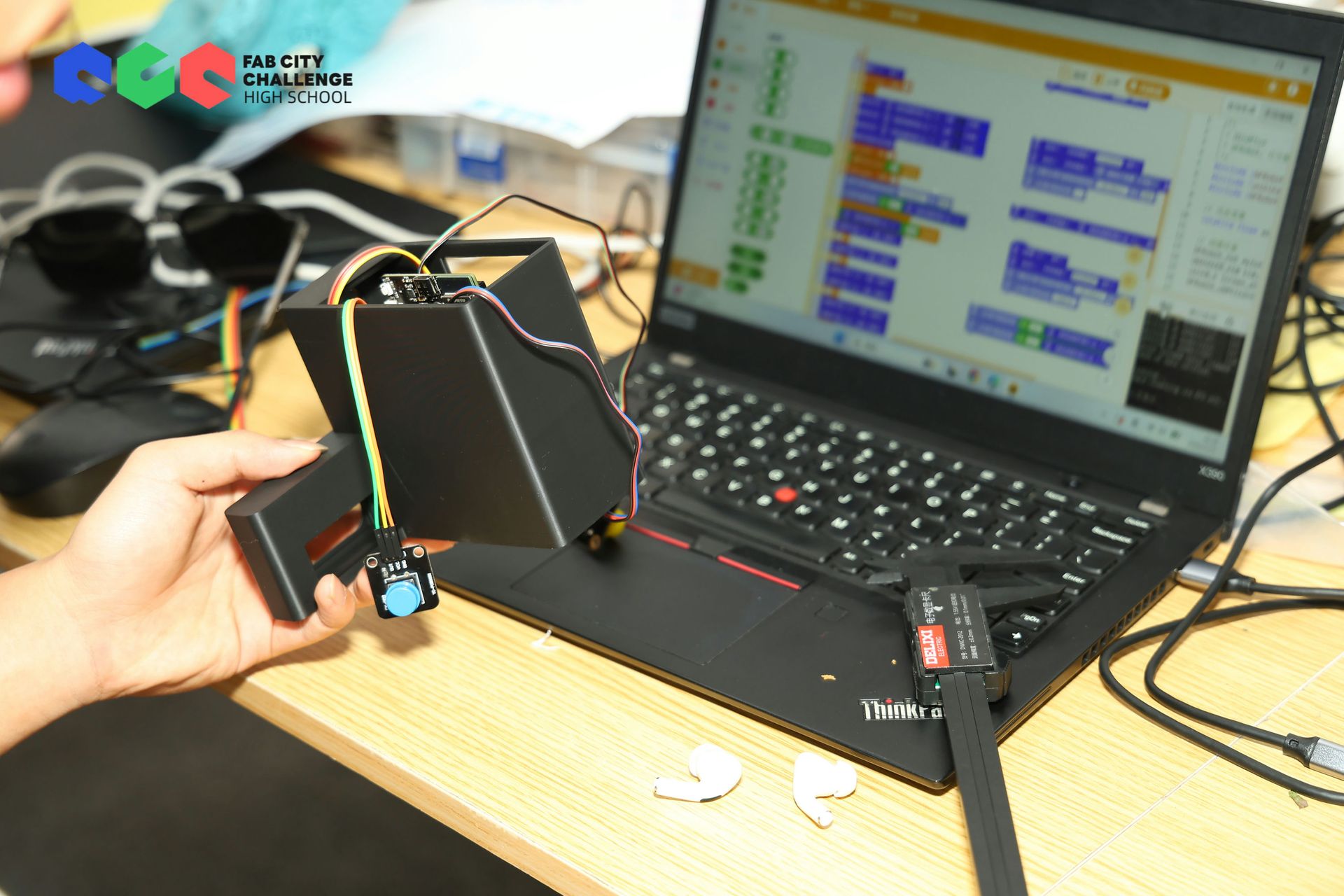
The global population is aging rapidly due to increased life expectancy, with the number of people aged 60+ projected to rise from 1.1 billion in 2023 to 1.4 billion by 2030. By 2050, 22% of the world's population (2 billion people) will be over 60. According to World Health Organization. Globally, life expectancy at birth reached 73.3 years in 2024, an increase of 8.4 years since 1995. The number of people aged 60 and older worldwide is projected to increase from 1.1 in 2023 to 1.4 billion by 2030. This trend is particularly evident and rapid in developing regions. In Asia, Japan leading the world with 28% of its population aged 65+ and Hong Kong is one of the fastest aging populations; 65+ residents are projected to increase from 20.5% (2021) to 36% by 2046. Also in China, people over 60 are projected to reach 28% of the population by 2040. According to the statistics from Elderly Health Centre (HK) in 2023, 15.7% aged 65 or above community dwelling elders had experienced falls at least once within 1 year. Fall is one of the most disabling conditions of the elderly, which can have significant impact on the elders' functioning, independence and quality of life. (...) The team proposed a set of low-cost, home-based fall-prevention interventions focused on three areas: posture guidance, muscle training, and reaction-speed training. Instead of designing only for what happens after a fall, we focused on helping older adults build safer movement habits before falls occur. The project team included 6 people: 2 mentors and 4 students. We began with home visits, conversations with two older-adult households, and consultation with physical therapists and community managers. These early conversations helped us understand real concerns in daily life, such as unstable walking, weak lower-body strength, slow reaction time, and fear of falling at home. Based on this research, we organized our work into a three-part design framework: muscle training, reaction speed, and movement guidance. Each student then developed one prototype using K10 development boards, common sensors, and Fab Lab tools. (...) In total, we completed and tested 4 prototypes, engaged 2 older-adult households, connected with physical therapists and community managers, and produced a reusable design framework, along with user personas, journey maps, technical drawings, and testing notes.
Redesigning the relationship between production and place
© 2026 FabCity. All rights reserved.